Analyzing Setup Timelines and Their Links to Income Distribution in Cross-Border Merchant Networks
Kai Coleman · Aug 16, 2026
Analyzing Setup Timelines and Their Links to Income Distribution in Cross-Border Merchant Networks
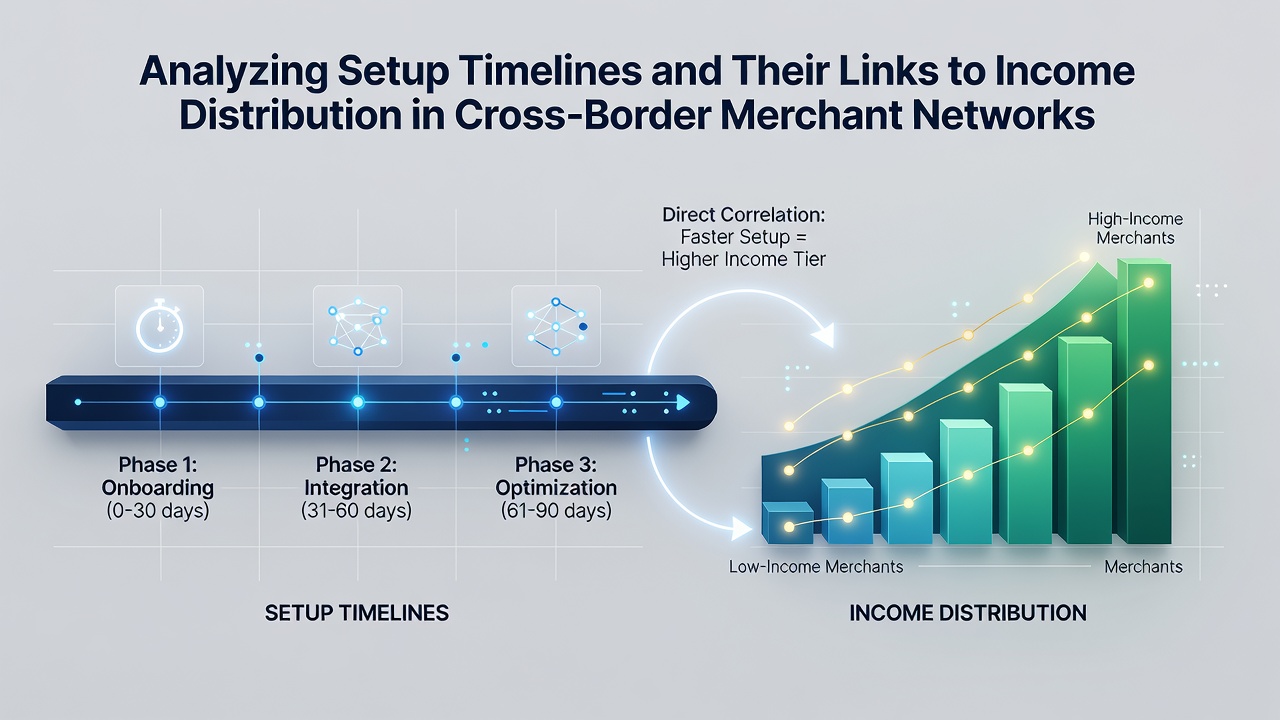
Setup timelines in cross-border merchant networks refer to the periods required to complete merchant onboarding, compliance checks, and technical integrations before transaction processing begins. Researchers have examined these timelines through data collected from multiple payment platforms operating between 2023 and 2026, and patterns emerge when these durations connect to how revenue gets allocated among network participants. Data from transaction logs indicates that shorter setup periods often align with higher shares of income directed toward originating merchants, while extended timelines correlate with adjusted distributions that account for intermediary costs.
Defining Setup Timelines in Global Networks
Merchants entering cross-border networks encounter several sequential stages including identity verification, regulatory screening, API configuration, and testing phases. Studies conducted by academic institutions in Europe and Asia reveal that average completion times range from 14 to 90 days depending on jurisdiction and network complexity. Observers note that networks handling high-volume retail sectors frequently achieve faster processing because standardized documentation reduces review cycles, whereas those involving specialized services require additional validation layers that extend the overall period. Figures from the Bank for International Settlements show that in regions with harmonized regulatory frameworks, setup durations decreased by approximately 25 percent between 2024 and 2026.
Factors Influencing Timeline Lengths
Multiple variables affect how long merchant setups take. Regulatory requirements differ across borders, with some markets demanding extensive anti-money laundering documentation while others prioritize technical security certifications. Network operators report that integration with legacy banking systems adds weeks to the process because custom coding and repeated testing become necessary. Data indicates that partnerships using pre-approved vendor lists shorten timelines since compliance teams skip redundant evaluations. In August 2026, updates to certain regional data-sharing protocols allowed faster exchange of verification records, which contributed to measurable reductions in average setup durations for participating networks.
Connections Between Timelines and Income Distribution
Income distribution within these networks typically follows models where transaction fees get divided among merchants, gateways, and compliance providers. Analysis of settlement records demonstrates that when setup completes within 30 days, originating merchants retain larger portions of revenue because fewer intermediary fees accumulate during the preparatory phase. Longer timelines, however, often result in restructured allocations that compensate service providers for extended administrative work. Researchers tracking payment flows across Asia-Pacific and North American corridors found that a 15-day increase in setup time corresponded with a 3 to 7 percent shift in revenue share toward technical integration partners. These shifts occur because networks apply standardized formulas that factor elapsed time into cost recovery calculations.
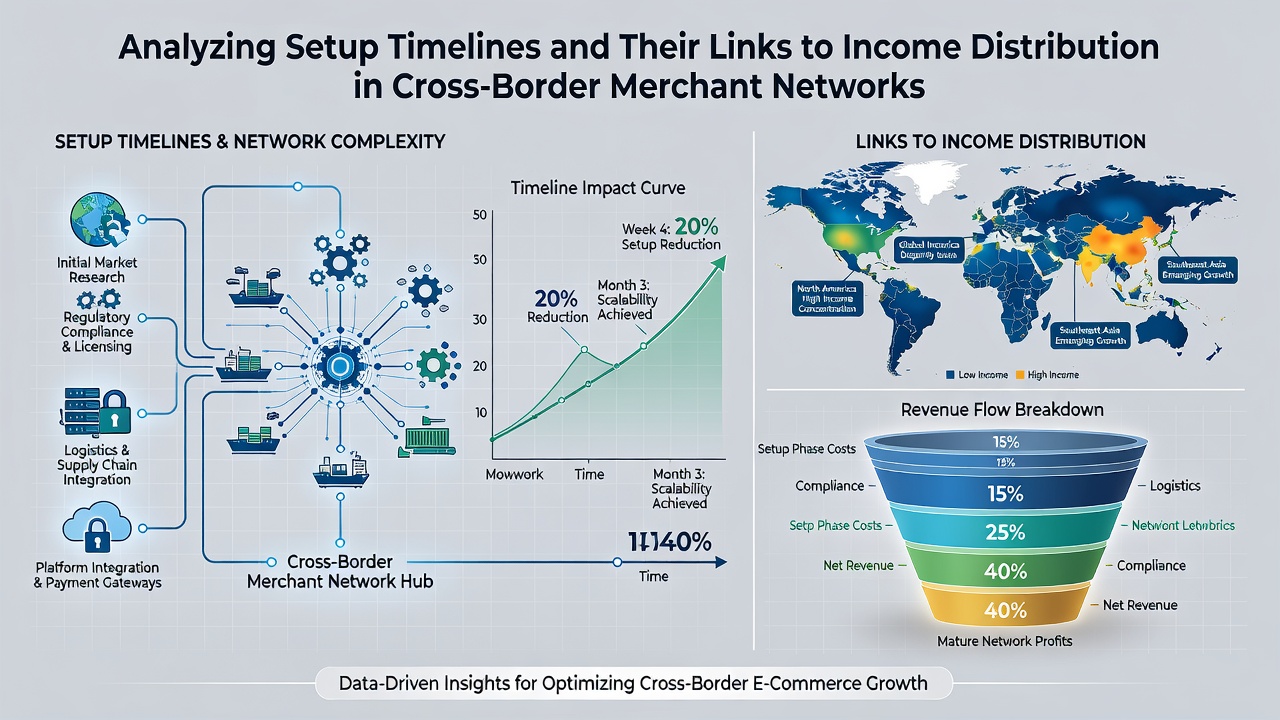
Take one study that reviewed over 2,500 merchant accounts across 18 countries. That research revealed networks employing automated compliance tools distributed income more evenly regardless of setup length, because reduced manual intervention lowered overall operational expenses. In contrast, networks relying on manual reviews showed stronger correlations between extended timelines and decreased merchant earnings percentages. Observers note that these patterns hold across different transaction volumes, suggesting the relationship stems from structural cost allocation rather than individual merchant characteristics.
Regional Variations Observed Through 2026
Geographic differences appear when comparing setup timelines and their effects on income splits. European networks operating under unified payment standards tend to record shorter durations and more stable distribution percentages. North American platforms show greater variability, with some segments experiencing delays due to varying state-level requirements that influence how revenue gets apportioned. Data from the Organisation for Economic Co-operation and Development highlights that cross-border arrangements involving emerging markets often feature the longest setups, which in turn prompt networks to implement tiered compensation structures that adjust affiliate shares based on completion milestones.
What's interesting is how documentation quality interacts with these dynamics. Merchants submitting complete records at the outset experience fewer follow-up requests, which keeps timelines predictable and preserves intended income divisions. Incomplete submissions trigger additional review rounds that extend durations and trigger contingency clauses in revenue agreements. Experts tracking these cases report that networks have begun publishing average timeline benchmarks to help merchants anticipate potential adjustments to their earnings shares.
Conclusion
Setup timelines in cross-border merchant networks connect directly to income distribution mechanisms through documented cost and time factors. Evidence from multiple data sources shows consistent patterns where duration influences revenue allocation formulas. As networks continue refining their processes into late 2026, the relationships between onboarding speed and earnings splits remain central to how participants structure their agreements and operational priorities.