Dissecting Standardized Interfaces' Influence on Compensation Flows in Multinational Transaction Alliances
Ines Otto · Jun 24, 2026
Dissecting Standardized Interfaces' Influence on Compensation Flows in Multinational Transaction Alliances
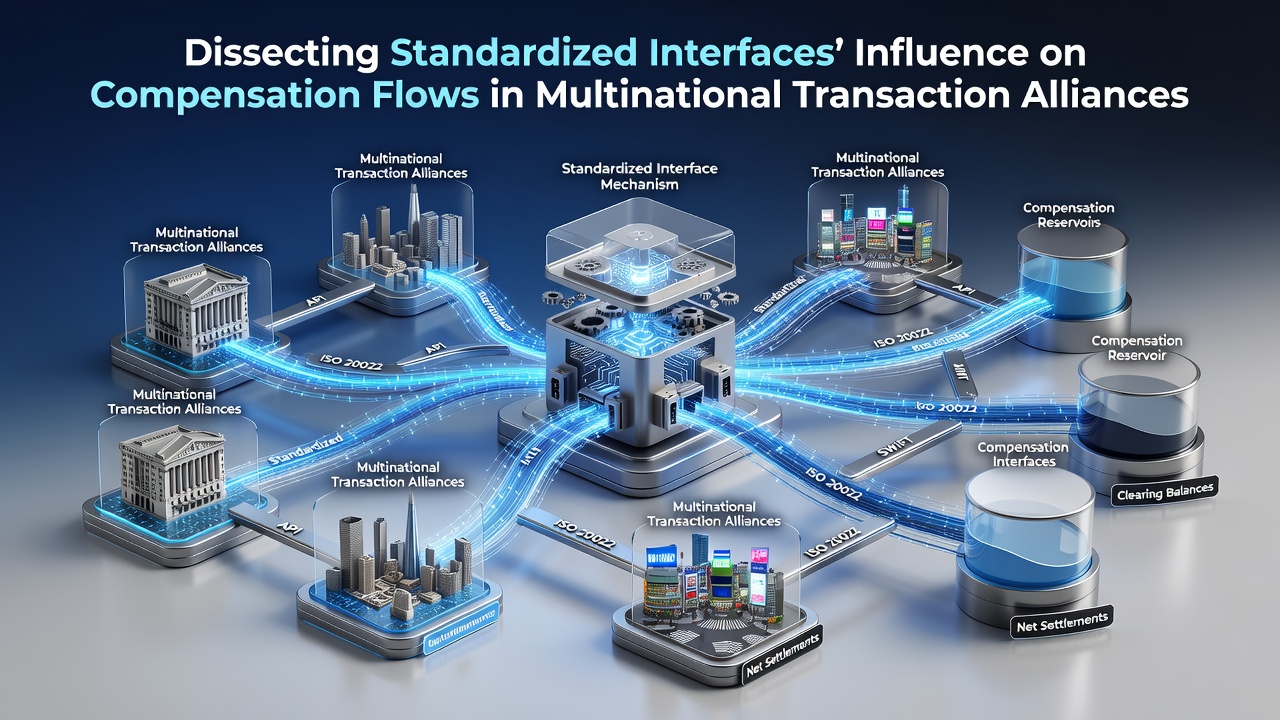
Standardized interfaces shape compensation flows by establishing uniform protocols for data exchange, settlement instructions, and revenue allocation across borders, and these frameworks reduce discrepancies that arise when partners operate under incompatible systems. Researchers at institutions tracking cross-border payments note that common interface standards allow automated reconciliation processes to calculate partner shares based on predefined rules rather than manual negotiations that often delay disbursements. Observers tracking transaction alliances point out that interfaces built around ISO 20022 messaging formats transmit fee structures and revenue splits directly within each message packet, which streamlines how multinational networks divide earnings from shared merchant volumes. Data from the Bank for International Settlements shows that alliances adopting these standards experienced faster settlement cycles because compensation calculations occurred at the point of transaction validation instead of during later reconciliation stages.Core Components of Standardized Interfaces in Payment Networks
Payment alliances rely on several layers within standardized interfaces to manage compensation, including API endpoints that define authentication methods, data schemas that specify fields for fee percentages, and security protocols that protect sensitive allocation details during transmission. These elements work together so that when a transaction routes through multiple gateways, each participant receives compensation instructions embedded in the message itself rather than through separate billing cycles.
Engineers designing these systems incorporate modular components that let networks update compensation rules without rebuilding entire connections, and this flexibility supports alliances operating across regions with varying tax treatments and currency conversion requirements. Studies from academic centers examining global transaction data indicate that alliances using version-controlled interfaces encounter fewer disputes over revenue splits because each party accesses the same calculation logic at the moment funds move.
Effects on Revenue Allocation Mechanisms
Compensation flows accelerate when standardized interfaces enforce consistent timestamping and audit fields that verify transaction legitimacy before profit division occurs, and this consistency proves especially valuable in alliances spanning jurisdictions with different reporting deadlines. Networks that integrate these interfaces report fewer instances where partners must pause payouts to resolve mismatches in recorded volumes or applied rates.
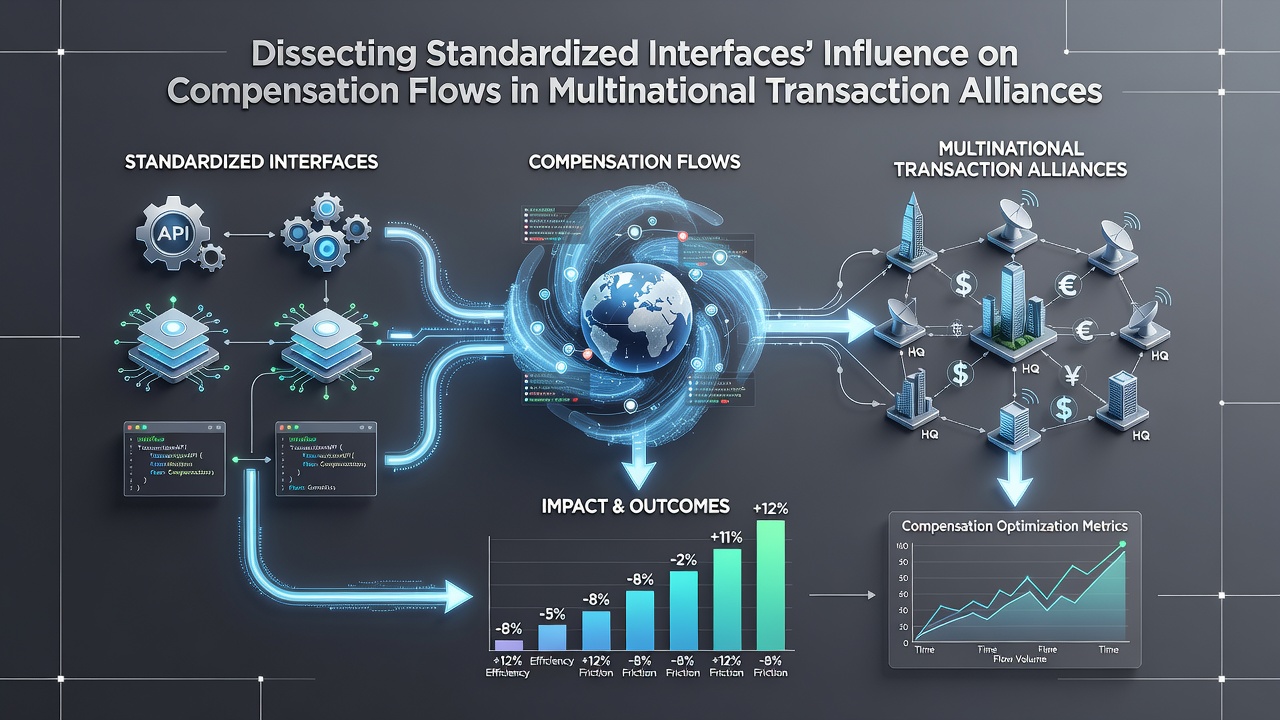
Multinational alliances also benefit from interfaces that embed regulatory compliance flags directly into compensation messages, which lets automated systems withhold or release funds according to jurisdiction-specific rules without requiring additional human review. Figures released by the European Central Bank in early 2025 highlight how such embedded flags reduced processing exceptions by nearly thirty percent in monitored payment corridors.
Regional Variations and Alignment Challenges
While global standards provide common ground, regional implementations still introduce slight differences in how compensation parameters are encoded, and alliances must map these variations during onboarding to avoid misallocated shares. Canadian and Australian regulatory bodies, for instance, publish guidance on interface requirements that complement broader international frameworks yet add local data fields for tax reporting that affect final payout amounts.
Alliances addressing these variations often deploy middleware layers that translate between regional interface versions while preserving the core compensation logic, and this approach maintains flow integrity across diverse markets. Research published by university-led payment studies groups demonstrates that alliances investing in such translation layers achieve higher accuracy rates in revenue distribution compared with those relying solely on manual adjustments.
Developments Anticipated by June 2026
Industry working groups continue refining interface specifications ahead of June 2026 deadlines tied to updated security and messaging requirements, and these refinements focus on expanding support for real-time compensation triggers within high-volume corridors. Observers expect that new optional fields for dynamic fee adjustments will allow alliances to respond more precisely to currency fluctuations without renegotiating partner agreements.
Testing programs underway among major transaction networks aim to validate these enhancements under live conditions, and preliminary results suggest reduced latency between transaction authorization and partner credit postings. Such changes build on existing standards rather than replacing them, which preserves compatibility for alliances already operating at scale.
Conclusion
Standardized interfaces continue to exert measurable influence over compensation flows by embedding allocation rules within transaction messages and enabling automated reconciliation across borders. Alliances that align on these protocols gain clearer visibility into how revenue moves through their networks, while those facing implementation gaps encounter persistent delays in settlement. Ongoing refinements scheduled through mid-2026 will likely extend these capabilities further, supporting more granular control over profit division in increasingly complex multinational arrangements.