How API Documentation Fuels Revenue Sharing Models in Secure Global Merchant Integrations
Ines Otto · May 15, 2026
How API Documentation Fuels Revenue Sharing Models in Secure Global Merchant Integrations
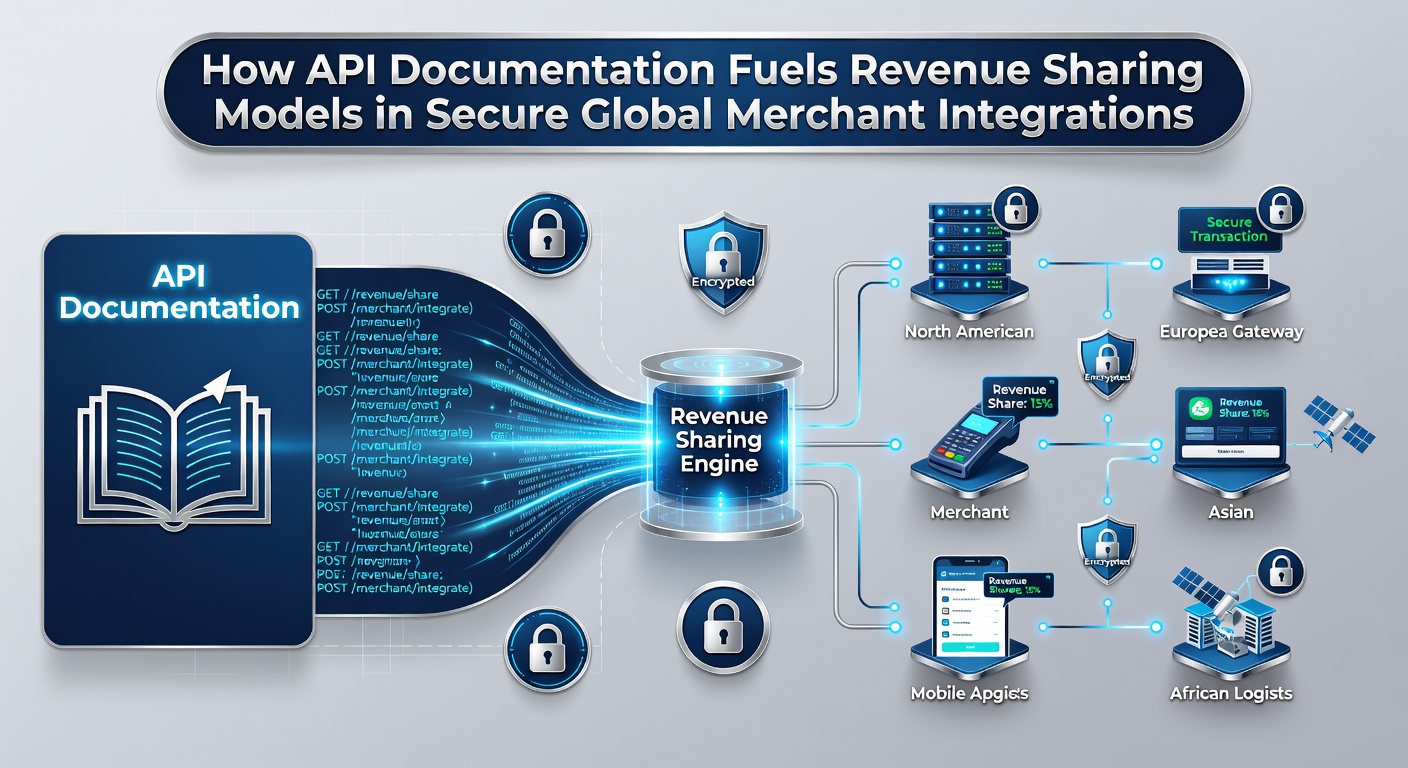
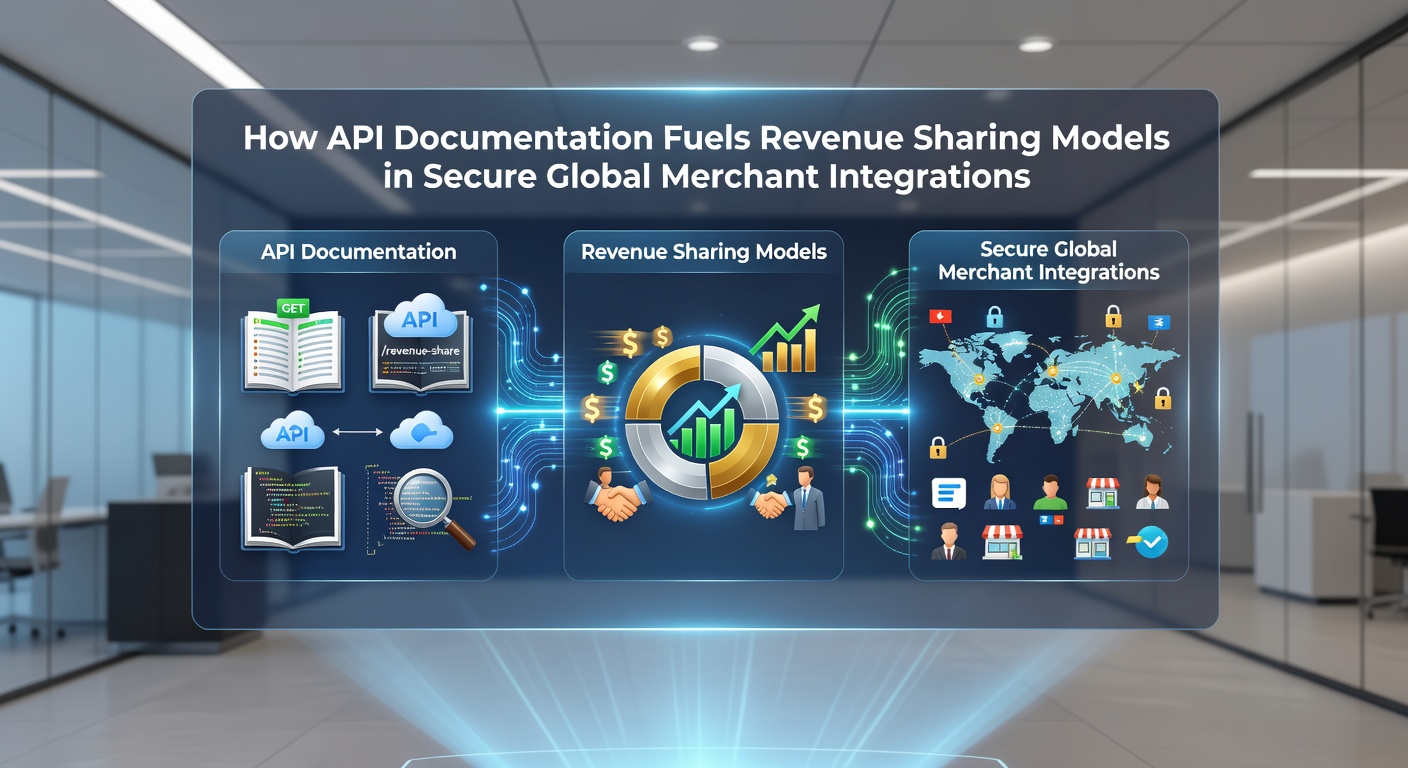
API documentation serves as the foundation for secure integrations that allow merchants to connect payment systems across borders, and those connections in turn support revenue sharing arrangements where transaction fees get divided among platforms, processors, and partners. Clear documentation outlines endpoints, authentication methods, and data formats so developers can implement features without repeated trial and error, which reduces integration time and lowers the risk of security gaps that could halt revenue flows. Observers note that when documentation includes detailed examples of request payloads and error handling, merchants complete onboarding faster and begin generating billable transactions sooner, creating the volume needed for shared revenue models to activate.
Core Elements of Effective API Documentation
Documentation that drives these outcomes typically covers authentication protocols such as OAuth 2.0 flows, webhook configurations for real-time notifications, and compliance requirements tied to data residency rules in different jurisdictions. Researchers at institutions tracking fintech growth report that platforms providing sample code in multiple languages see integration completion rates rise by measurable margins compared with those that supply only reference lists. In practice, teams working with comprehensive guides avoid common pitfalls like mismatched currency formats or incomplete signature validations, both of which can trigger compliance reviews and delay the launch of revenue-generating features.
Security Layers and Global Compliance Requirements
Security remains central because global merchant integrations must satisfy varying standards, from encryption mandates to fraud detection thresholds. Documentation that maps each security control to specific regulatory frameworks helps partners implement tokenization and encryption correctly from the start. Data from industry reports compiled through 2025 shows that integrations guided by such mapped documentation experience fewer post-launch security incidents, preserving the trust required for ongoing revenue participation. And because revenue sharing often depends on sustained transaction volumes, any breach that pauses operations directly reduces payouts for all parties involved.
Revenue Sharing Structures Enabled by Clear Documentation
Revenue sharing models in this space generally allocate percentages of processing fees, subscription charges, or value-added service income among the API provider, the merchant, and sometimes regional acquirers. Documentation that explicitly describes how settlement reports are generated and how reconciliation APIs function allows every participant to verify their share without manual audits. Figures released by the Monetary Authority of Singapore in early 2026 illustrate that documented reconciliation endpoints cut settlement disputes by more than thirty percent among participating firms, directly increasing net revenue available for distribution. What's more, partners can automate payout calculations when documentation includes precise field definitions and timestamp conventions, removing ambiguity that otherwise stalls payments.
Implementation Patterns Across Regions
Merchants operating in multiple markets rely on documentation that flags jurisdiction-specific parameters, such as required tax identifiers or localized address formats. Those who follow these guidelines integrate once and deploy across regions, scaling transaction counts that feed revenue pools. A study conducted by the Bank for International Settlements tracked platforms using standardized yet localized documentation and found average revenue growth of eighteen percent within the first year of multi-country rollout. But here's the thing: without those location-specific notes, teams often discover mismatches only after launch, requiring costly re-work that postpones revenue activation dates.
Monitoring and Iteration Through Documented Feedback Loops
Documentation also supports continuous improvement by describing analytics endpoints and logging standards that feed performance dashboards. Partners monitor error rates, latency spikes, and conversion drops in real time, then adjust integration code accordingly. This feedback cycle keeps transaction success rates high, sustaining the volumes that underpin shared revenue calculations. In May 2026, several cross-border payment networks updated their public documentation to include new latency benchmarks, and early adopters reported measurable lifts in settlement accuracy within weeks of implementation.
Conclusion
API documentation that details authentication, security controls, reconciliation methods, and regional variations enables merchants to build secure global integrations quickly and accurately. Those integrations generate the consistent transaction volumes and verifiable settlement data required for revenue sharing models to function reliably. As standards evolve and new regions open to digital payments, documentation remains the practical mechanism that translates technical capability into distributed financial returns for all participants.