Lifecycle Milestones in Fintech Collaborations and Their Bearing on Profit Division Across Borders
Ines Otto · Jul 8, 2026
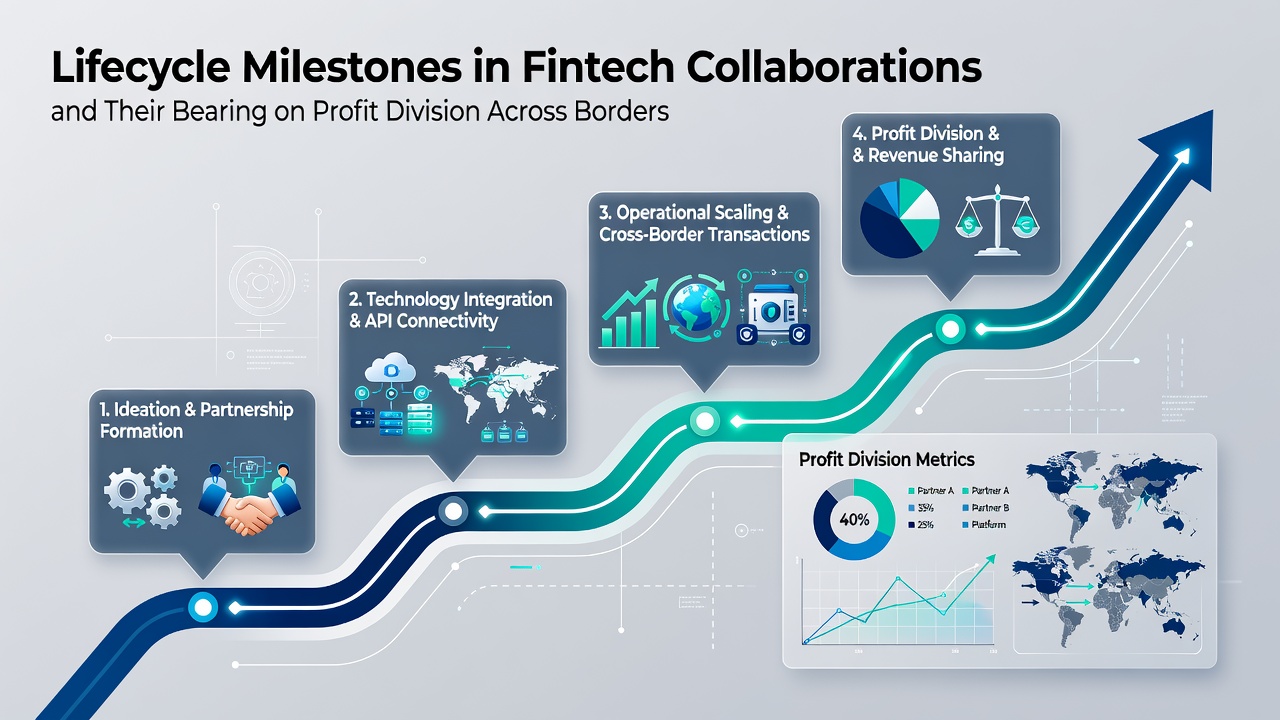
Lifecycle Milestones in Fintech Collaborations and Their Bearing on Profit Division Across Borders
Fintech collaborations progress through distinct lifecycle milestones that directly shape how profits get divided among partners operating across multiple jurisdictions, and observers note these stages determine allocation formulas based on initial agreements, performance metrics, and regulatory shifts.
Partnership Formation and Initial Agreement Phases
During the earliest formation stage partners establish foundational contracts that set baseline revenue splits tied to market entry costs and compliance burdens, while researchers at institutions like the Bank for International Settlements have documented how cross-border entities often allocate higher percentages to the party handling initial licensing in regions with stringent capital requirements. These agreements frequently incorporate clauses that adjust shares once certain volume thresholds get reached, and data from July 2026 indicates many European and Asian collaborations revised initial splits upward for local operators once transaction volumes stabilized after the first twelve months.
Integration Milestones and Operational Launch
Integration milestones mark the point where technical connections become live and partners begin processing real transactions, at which time profit divisions often shift to reflect shared infrastructure expenses and risk exposure. Experts tracking these transitions report that milestones such as successful pilot launches trigger predefined adjustments, and one study of North American and Southeast Asian alliances showed profit shares moving from 60-40 toward 50-50 once integration testing cleared regulatory audits in both markets. Those who've examined these patterns find that delays in reaching launch milestones can lock partners into temporary allocations that favor the entity absorbing upfront development costs until full operational status gets achieved.
Scaling Across Markets and Mid-Lifecycle Adjustments
Once operations scale into additional countries, mid-lifecycle adjustments typically recalibrate profit divisions based on localized growth rates and currency handling responsibilities, and figures from regulatory bodies in Australia and Canada reveal that partners managing multi-currency settlements often receive incremental shares to offset volatility risks. In July 2026 several documented cases showed alliances expanding from two to five jurisdictions, which prompted revisions that increased allocations to regional compliance teams by up to fifteen percent. What's interesting here is how scaling milestones create opportunities for renegotiation, whereas static agreements without built-in triggers can lead to imbalances when one market outpaces others in volume. 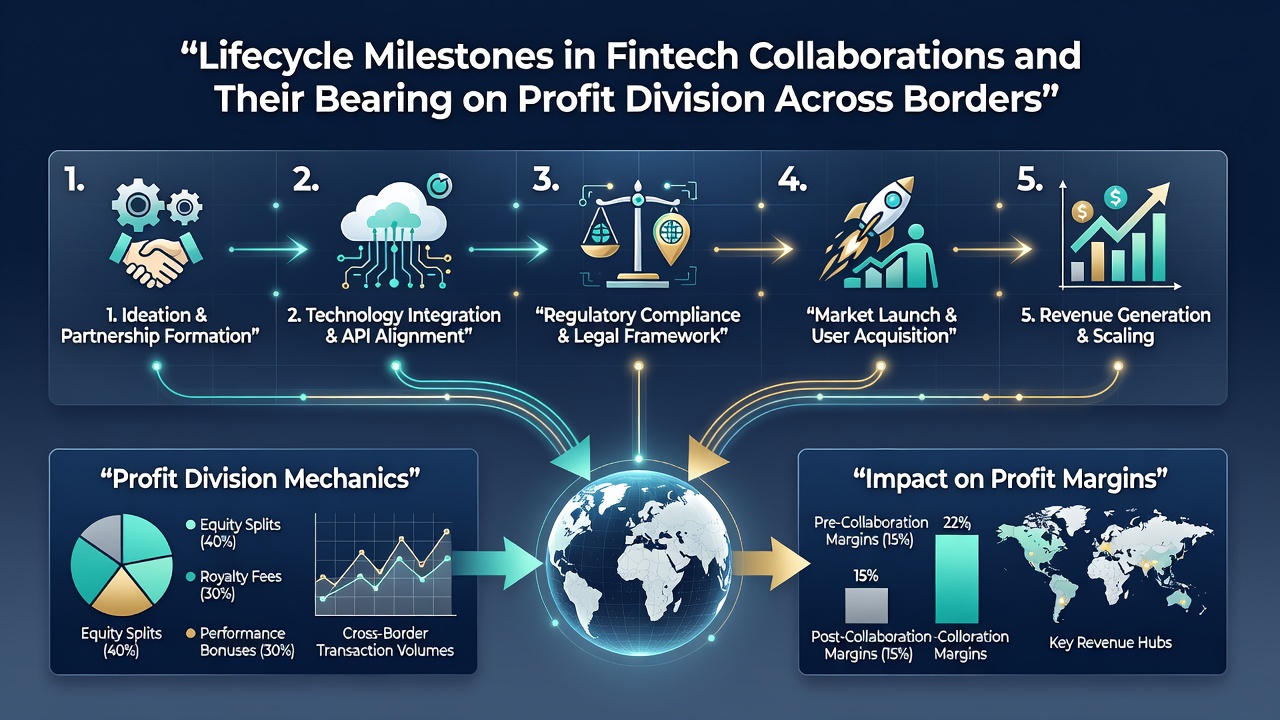
Maturity, Optimization, and Renewal Points
Maturity milestones arrive when collaborations reach steady-state performance, and at these junctures partners frequently optimize divisions through performance-based bonuses or shared efficiency gains. Observers note that renewal negotiations at the three-to-five-year mark often incorporate updated data on transaction costs and tax implications across borders, with evidence from academic analyses of Latin American and European networks demonstrating that optimized splits favor entities contributing proprietary risk models once initial setup investments get fully amortized. Those who've studied this know that without scheduled review points, divisions can drift from original intent as market conditions evolve independently in each jurisdiction.
Exit or Transition Stages and Final Allocations
Exit milestones, whether planned or triggered by external events, determine final profit distributions through asset valuations and outstanding obligation settlements, and reports indicate that cross-border collaborations require careful handling of withheld taxes and currency conversions during wind-down. Research institutions tracking these outcomes have found that clearly defined transition clauses reduce disputes by establishing formulas that account for contributions throughout the entire lifecycle rather than only at termination. In practice, partners in such arrangements often discover that early milestones set the tone for how later divisions get calculated when one entity withdraws from specific markets.
Conclusion
Lifecycle milestones in fintech collaborations serve as fixed reference points that guide profit division across borders by linking allocations to verifiable achievements and ongoing operational realities, and data shows these structured phases help maintain alignment among international partners even as regulatory landscapes and market dynamics continue to shift.