Navigating Profit Pathways: How Regulatory Frameworks Shape Affiliate Compensation Within Worldwide Payment Processing Collaborations
Amir Brooks · May 20, 2026
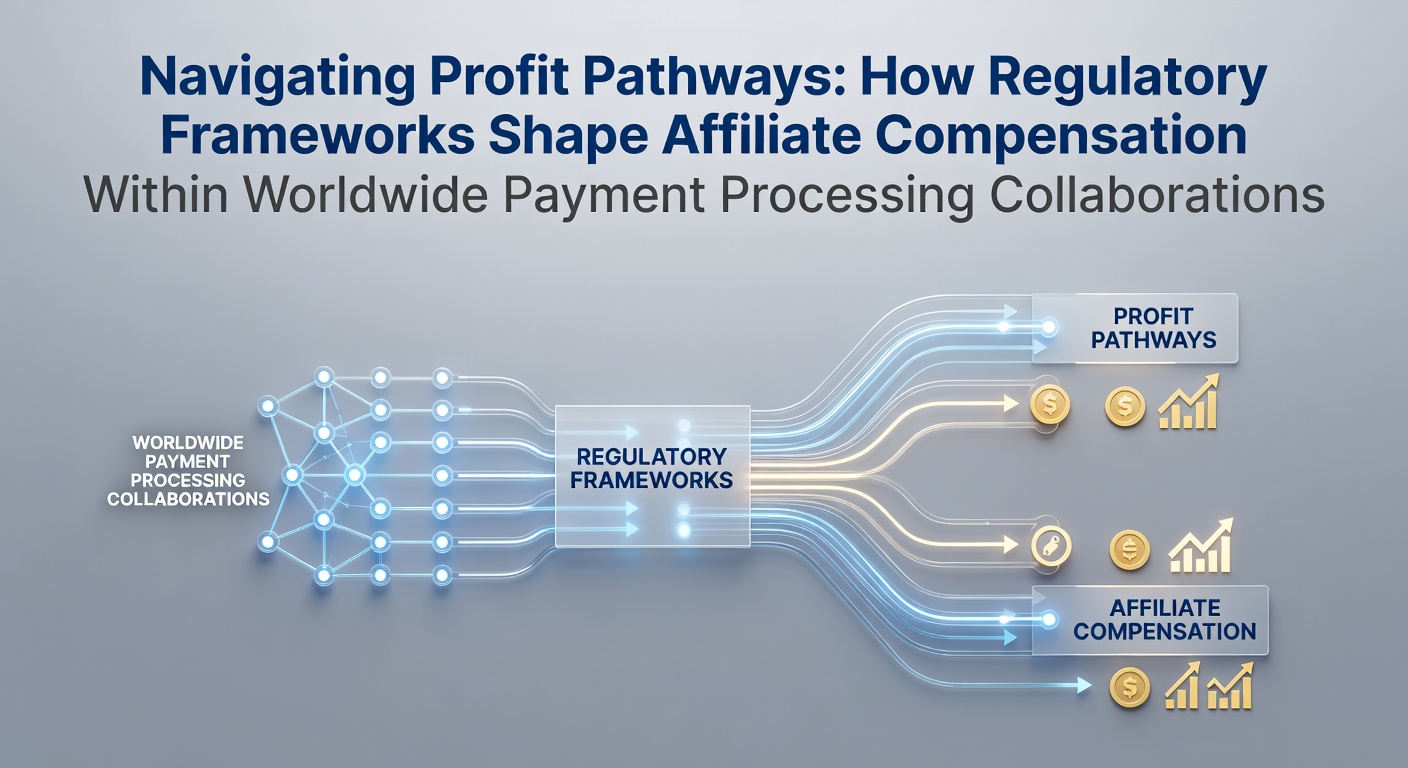
Navigating Profit Pathways: How Regulatory Frameworks Shape Affiliate Compensation Within Worldwide Payment Processing Collaborations
Regulatory frameworks around the world continue to influence how affiliates earn compensation in payment processing partnerships, and these rules create structured pathways that companies must follow to maintain compliance while sustaining revenue flows. Data from multiple jurisdictions shows that transparency requirements, fee caps, and data protection standards directly affect commission calculations and partnership agreements in transnational operations.
Global Regulatory Landscape and Its Direct Impact
Payment service providers operating across borders encounter varying rules that govern how affiliate rewards get calculated and distributed, and these differences emerge most clearly when comparing European directives with North American and Asia-Pacific approaches. The revised Payment Services Directive in the European Union, known as PSD2, introduced open banking standards that altered data access protocols and forced affiliates to incorporate new consent mechanisms into their tracking systems, which in turn reshaped performance-based payouts. Observers note that similar patterns appear in other regions where governments prioritize consumer protection alongside financial innovation.
Meanwhile, the Consumer Financial Protection Bureau in the United States has issued guidance on interchange fees and merchant services that indirectly constrains how revenue sharing arrangements can scale within affiliate networks. Companies must document every compensation layer to demonstrate adherence, and this documentation burden often leads partners to restructure tiered commission models around verifiable compliance milestones rather than volume alone.
How Specific Rules Alter Compensation Structures
Fee limitations represent one of the most tangible ways regulations affect earnings pathways, because many jurisdictions now cap transaction costs or require clear disclosure of all parties receiving a portion of the payment. Affiliates working in these environments frequently see their percentages adjusted downward when processors add compliance overhead to their cost base, yet they gain stability through longer contract terms that reward consistent adherence to reporting standards. Research indicates that partnerships incorporating automated audit trails tend to maintain steadier compensation streams even as rules evolve.
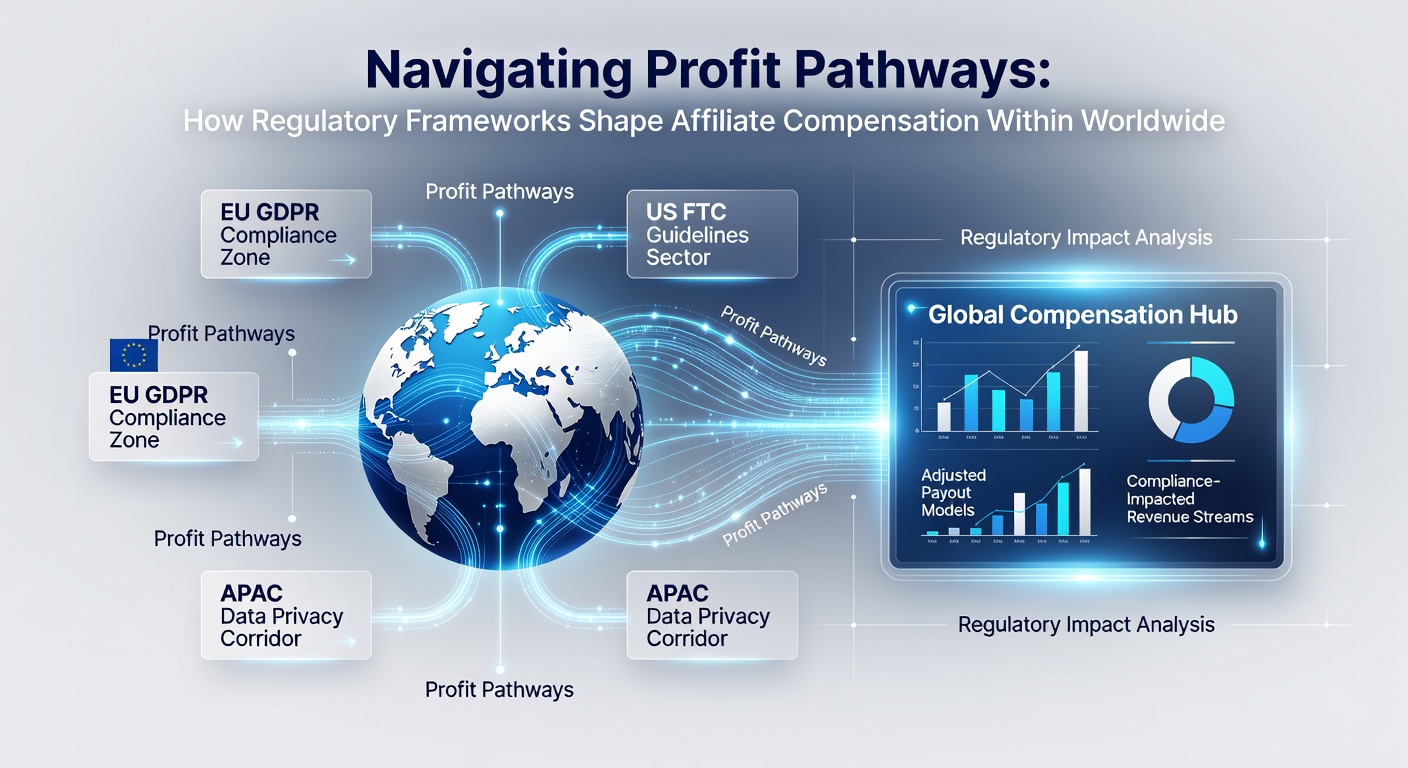
Data privacy statutes add another layer of complexity because they restrict how transaction information can be shared for attribution purposes. Affiliates operating under frameworks similar to those enforced by the Office of the Privacy Commissioner of Canada must anonymize certain data points before claiming commissions, which reduces the granularity available for performance measurement. Those who adapt by developing privacy-preserving analytics tools often preserve their earning potential, whereas others face delayed payouts while legal reviews take place.
Regional Variations in Practice
Australia's regulatory environment, overseen in part by the Australian Competition and Consumer Commission, emphasizes fair trading practices that extend to affiliate agreements in the payments sector. This has encouraged partners to adopt outcome-based models tied to customer satisfaction metrics instead of pure transaction counts, creating compensation structures that align more closely with long-term relationship value. Comparable shifts appear in Singapore, where the Monetary Authority has issued guidelines encouraging responsible innovation and risk management across fintech collaborations.
Observers tracking developments into 2026 point to anticipated updates scheduled for May that could further standardize cross-border reporting requirements among participating nations. Such changes would likely prompt affiliates to invest in unified compliance platforms capable of handling multiple regulatory jurisdictions simultaneously, thereby reducing the administrative friction that currently fragments compensation calculations.
Adaptation Strategies Observed Across Partnerships
Many payment processors now embed regulatory compliance checkpoints directly into their affiliate dashboards, allowing partners to monitor how each transaction contributes to overall earnings while flagging potential rule violations in real time. This integration reduces disputes and accelerates settlement cycles because all parties operate from a shared understanding of permissible compensation triggers. Studies from industry research groups reveal that networks using these tools report fewer delays in commission distribution compared with legacy manual review processes.
Contract language has also evolved to include explicit clauses addressing regulatory shifts, and these provisions often tie compensation adjustments to specific legislative milestones rather than leaving them open to negotiation after the fact. Partners who review these terms carefully before signing agreements tend to experience smoother transitions when new rules take effect.
Conclusion
Regulatory frameworks continue to define the boundaries within which affiliate compensation operates across global payment processing collaborations, and successful participants build flexibility into their models to accommodate ongoing changes. By aligning reporting systems, consent protocols, and fee structures with jurisdictional requirements, companies maintain revenue pathways that remain viable even as oversight expands. The patterns observed through 2026 suggest that proactive adaptation to these rules will determine which partnerships sustain growth in an increasingly interconnected financial landscape.