Qualification Protocols Shape Compensation Flows in Global Transaction Partnerships
Ines Otto · Jul 12, 2026
Qualification Protocols Shape Compensation Flows in Global Transaction Partnerships
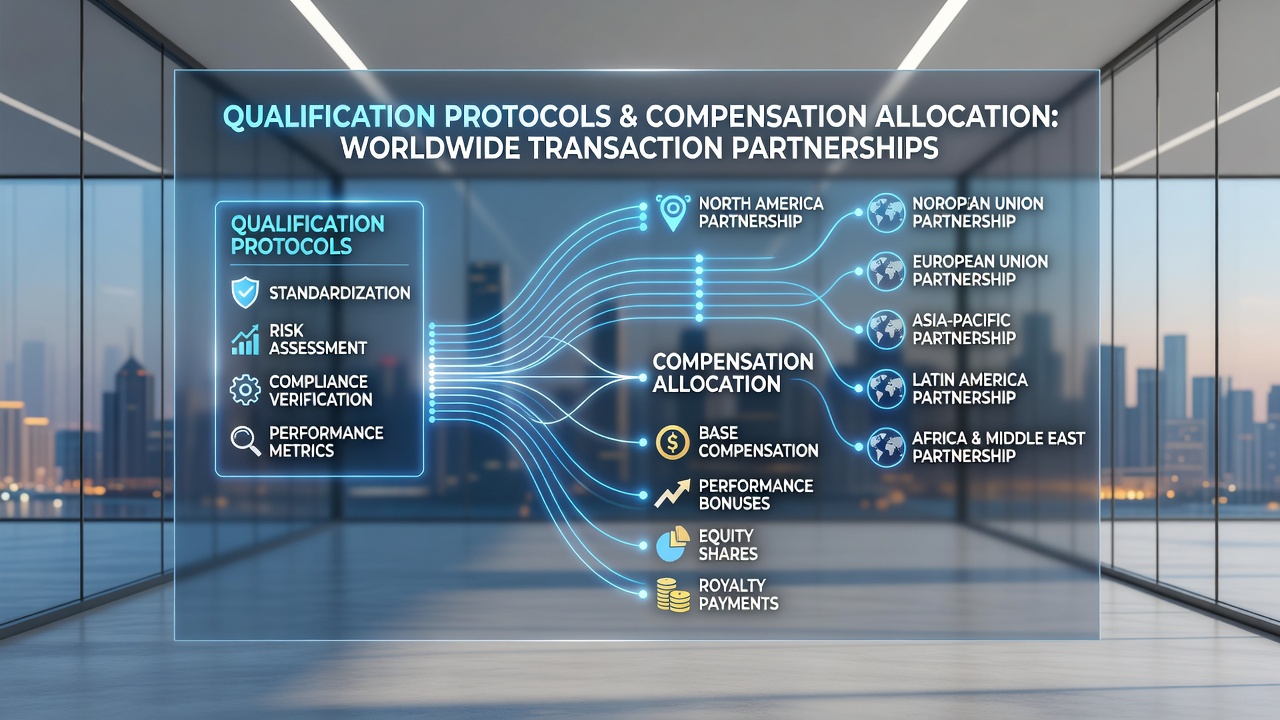
Qualification protocols establish the criteria that determine eligibility and performance benchmarks for partners engaged in cross-border transaction networks, and these standards directly influence how compensation gets allocated among participants. Organizations assess factors such as compliance records, transaction volume thresholds, adn security certifications before assigning revenue shares or fee structures, which means partners meeting higher qualification levels often receive larger portions of the earnings pool.
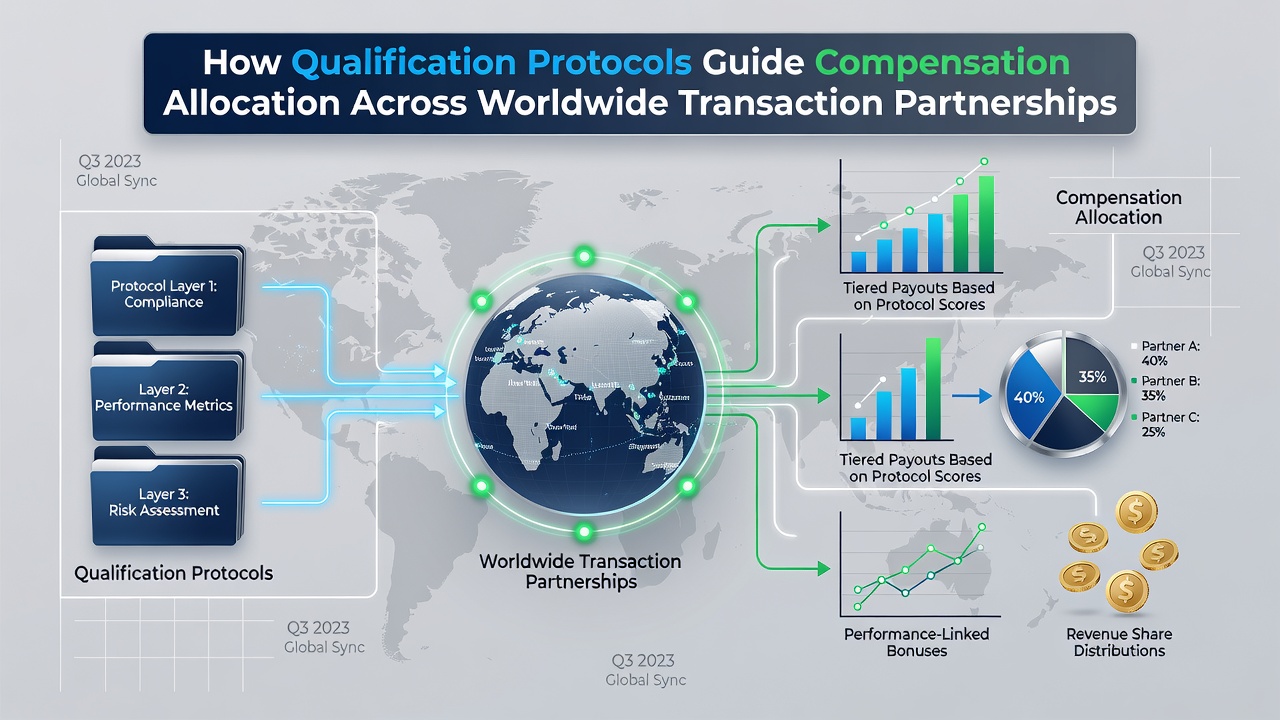
Data from industry reports shows that networks using tiered qualification systems allocate up to 35 percent more compensation to top-tier partners compared with those operating under uniform models. This approach creates clear pathways where initial onboarding requirements set baseline compensation rates while ongoing audits adjust distributions based on sustained performance metrics.
Core Components of Qualification Protocols
Verification processes form the foundation of these protocols, and they typically include background checks, financial stability assessments, and technical integration tests that partners must complete before accessing revenue streams. In July 2026, updated guidelines from the Monetary Authority of Singapore introduced stricter verification layers for Southeast Asian payment alliances, requiring partners to demonstrate real-time monitoring capabilities before qualifying for enhanced compensation tiers.
Certification standards add another dimension because they confirm adherence to regional data protection rules and anti-money laundering requirements, which in turn unlock specific compensation multipliers. A partner certified under multiple jurisdictions gains access to pooled revenue from several markets simultaneously, whereas single-market certifications restrict allocations to narrower geographic zones.
How Protocols Determine Allocation Mechanisms
Compensation models rely on weighted scoring systems derived from qualification data, where scores translate into percentage-based revenue splits that adjust quarterly or after each audit cycle. Those who've examined payment ecosystems note that protocols often incorporate volume-based incentives, so partners exceeding certified transaction thresholds receive automatic uplifts in their allocated shares without renegotiating contracts.
Security audit outcomes play a decisive role because failed assessments trigger immediate reductions in compensation until remediation occurs, while passing results can accelerate payout schedules. Research indicates that alliances enforcing these dynamic adjustments maintain more stable partner retention rates than those using static allocation formulas.
Regional Variations in Protocol Application
European frameworks emphasize data sovereignty certifications that affect compensation eligibility across EU member states, and partners must maintain continuous compliance to avoid share reductions. According to figures released by the European Central Bank, networks applying these standards reported a 22 percent improvement in compensation predictability for qualified partners during 2025.
North American approaches focus more on financial solvency tests and fraud detection capabilities, which determine access to premium revenue pools managed by clearinghouses. Australian regulatory bodies apply similar principles yet incorporate environmental, social, and governance metrics into qualification scoring, creating additional pathways for compensation adjustments tied to sustainability performance.
Impact on Partnership Stability and Growth
Clear qualification criteria reduce disputes over revenue splits because partners understand exactly which metrics drive their compensation levels at every stage. Observers note that alliances publishing transparent protocol details experience fewer contract renegotiations and faster onboarding cycles for new participants.
Case examples reveal that mid-sized merchants achieving advanced certifications in 2026 secured 18 percent higher average payouts within their first year of qualified status compared with peers operating at entry-level tiers. These outcomes stem directly from protocol-driven allocation rules rather than negotiated exceptions.
Conclusion
Qualification protocols serve as the structural backbone that guides compensation allocation across worldwide transaction partnerships by linking eligibility, performance, and regional compliance to specific revenue outcomes. As global networks continue expanding, these frameworks provide the measurable criteria needed to distribute earnings consistently while adapting to evolving regulatory landscapes. Partners who align their operations with protocol requirements position themselves for sustained access to compensation streams that reflect their verified contributions to the overall ecosystem.