Security Protocols' Influence on Incentive Allocation Across Worldwide Merchant Gateway Partnerships
Viktor Beck · Jul 24, 2026
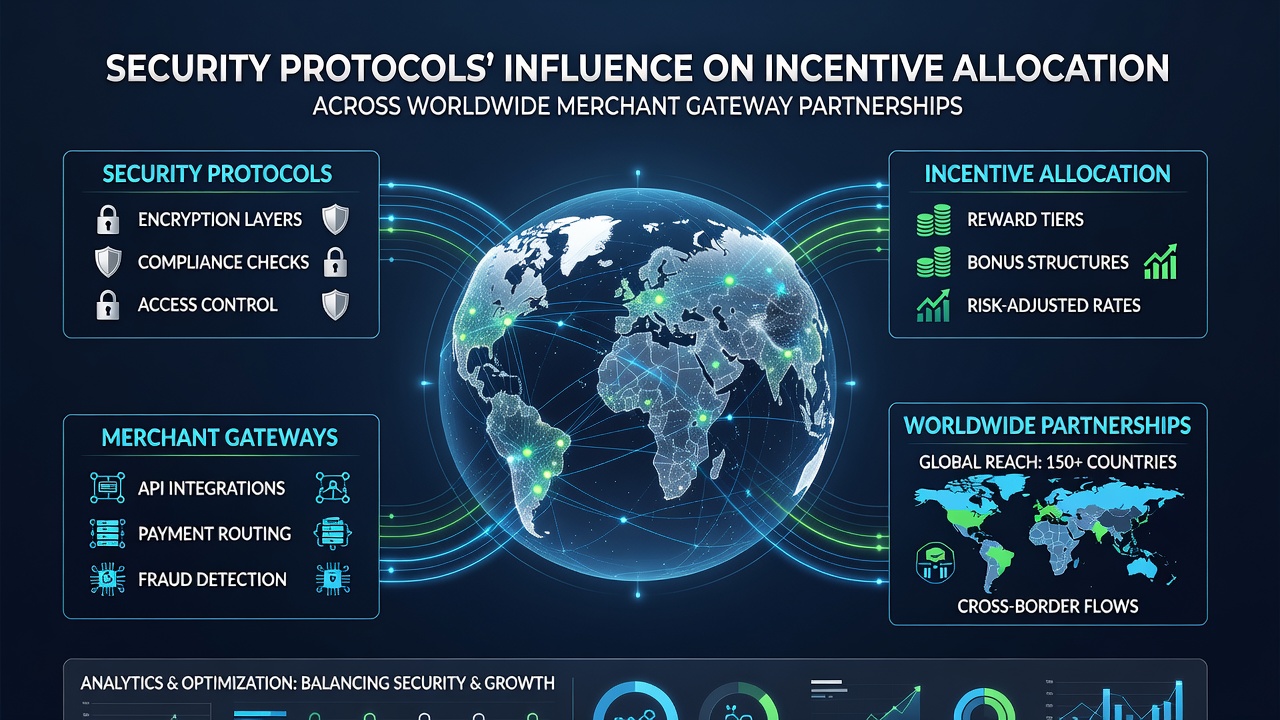
Security Protocols' Influence on Incentive Allocation Across Worldwide Merchant Gateway Partnerships
Core Mechanisms Linking Security to Incentives
Security protocols establish the foundational rules that determine how incentives flow through merchant gateway partnerships, and they do so by defining authentication requirements, encryption thresholds, and compliance checkpoints that directly affect revenue splits among partners in multiple regions. Organizations that meet higher protocol standards often receive larger portions of transaction fees because those standards reduce risk exposure for the entire network, while partners falling short face reduced allocations or delayed payouts until upgrades occur.
Tokenization standards, for instance, require specific data handling procedures that alter how gateways calculate and distribute success-based bonuses, and multi-factor authentication layers add verification steps that shift incentive timing from immediate to conditional upon successful audit completion. These adjustments create measurable differences in partner earnings across borders because each protocol carries its own cost structure and risk premium that gateway operators pass along through revised allocation formulas.
Regional Patterns in Protocol-Driven Allocation
European gateways operating under PSD2 requirements show distinct incentive patterns compared with those in Asia-Pacific markets, where local encryption mandates produce different fee tiers and bonus structures for the same merchant categories. Data from the Bank for International Settlements indicates that gateways adopting unified token standards in 2025 experienced a 12 percent average shift in incentive distribution toward partners demonstrating full protocol compliance within the first two quarters of implementation.
North American networks, meanwhile, tie portions of affiliate compensation to continuous monitoring outputs from intrusion detection systems, which means allocation percentages can fluctuate monthly based on security event logs rather than remaining fixed for annual contracts. This approach creates ongoing pressure for partners to maintain protocol updates, since any lapse triggers automatic recalculations that reduce their share until remediation is verified.
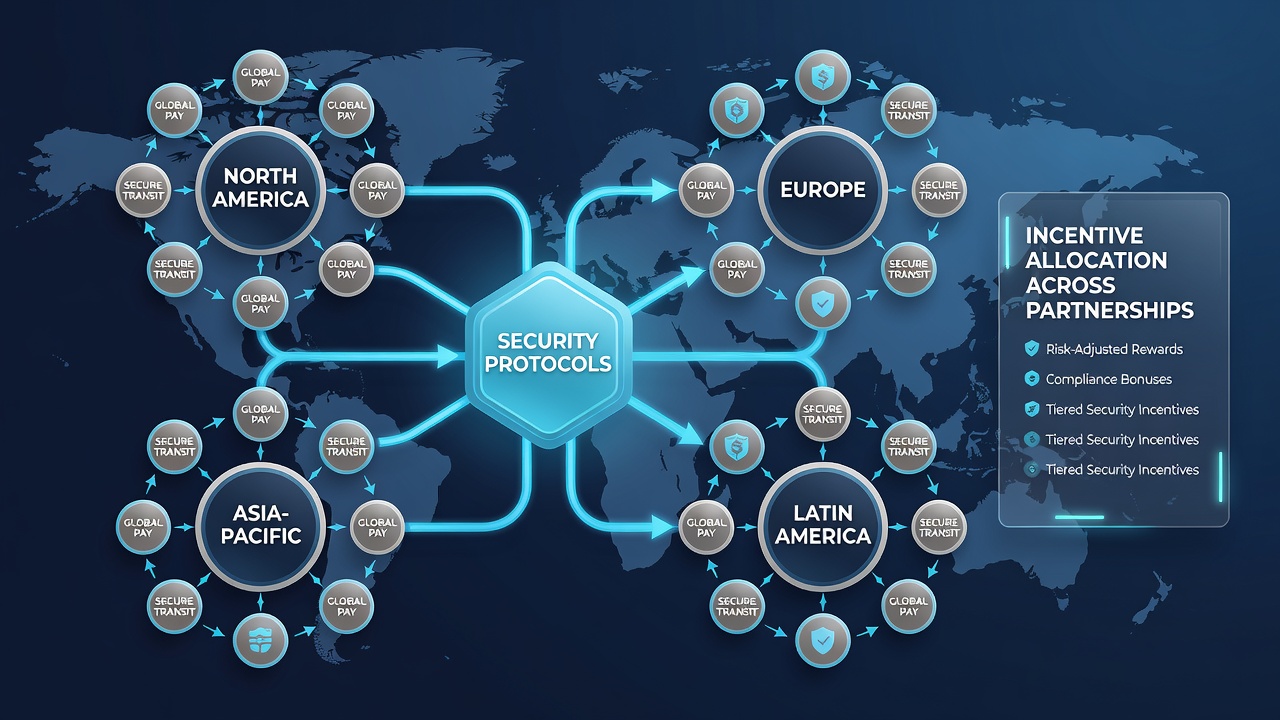
Impact of Certification and Audit Requirements
Certification processes tied to protocols such as PCI DSS and emerging ISO standards for payment security serve as gatekeepers for incentive eligibility, and partners must complete these validations before accessing premium revenue tiers in most global agreements. Research published by the European Central Bank demonstrates that networks enforcing quarterly security audits allocate an additional 8 to 15 percent of total fees to partners passing all checks without remediation, whereas those requiring extended fixes see their portions held in escrow until issues resolve.
Audit trails generated by these protocols also feed directly into allocation algorithms, allowing gateway operators to adjust shares dynamically based on detected vulnerabilities or successful threat mitigations. Partners in Australia and Canada, where regulators emphasize real-time reporting, often experience faster incentive adjustments than those in regions with less frequent verification cycles, illustrating how protocol frequency influences the speed and magnitude of earnings changes.
Emerging Standards Effective July 2026
New protocol layers scheduled for July 2026 will introduce quantum-resistant encryption requirements across major merchant networks, and these changes are expected to recalibrate incentive models by adding compliance costs that operators will offset through revised revenue sharing. Early adopters in pilot programs have already seen allocation shifts favoring partners investing in compatible hardware, while slower participants face temporary reductions until they upgrade systems.
These upcoming mandates build on existing frameworks by requiring continuous key rotation and enhanced logging, which in turn affect how gateway partnerships calculate performance bonuses tied to transaction volume. Observers note that the transition period will likely produce temporary disparities in earnings across worldwide alliances until uniform adoption stabilizes the distribution patterns.
Conclusion
Security protocols continue to reshape incentive allocation by embedding compliance metrics into every stage of partnership agreements, from initial onboarding through ongoing revenue distribution. Gateways that integrate these protocols into their core systems create clearer pathways for partners to maximize earnings through consistent adherence, whereas those treating security as an afterthought encounter repeated adjustments that reduce their overall shares. The interplay between protocol strength and financial outcomes remains a central factor in how global merchant networks structure and maintain their collaborative arrangements.