Slicing the Pie: Revenue Models That Supercharge Fintech Payment Partnerships
Theo Brooks · Apr 19, 2026
Slicing the Pie: Revenue Models That Supercharge Fintech Payment Partnerships
The Backbone of Fintech Growth: Why Revenue Models Matter in Payment Partnerships
Fintech companies thrive on partnerships these days, especially when it comes to payments, where seamless integrations between platforms, banks, and processors drive billions in transactions annually; data from the Federal Reserve's 2023 payments study reveals that nonbank payment providers handled over 40% of U.S. general-purpose card transactions, a figure that's only climbing as partnerships multiply.
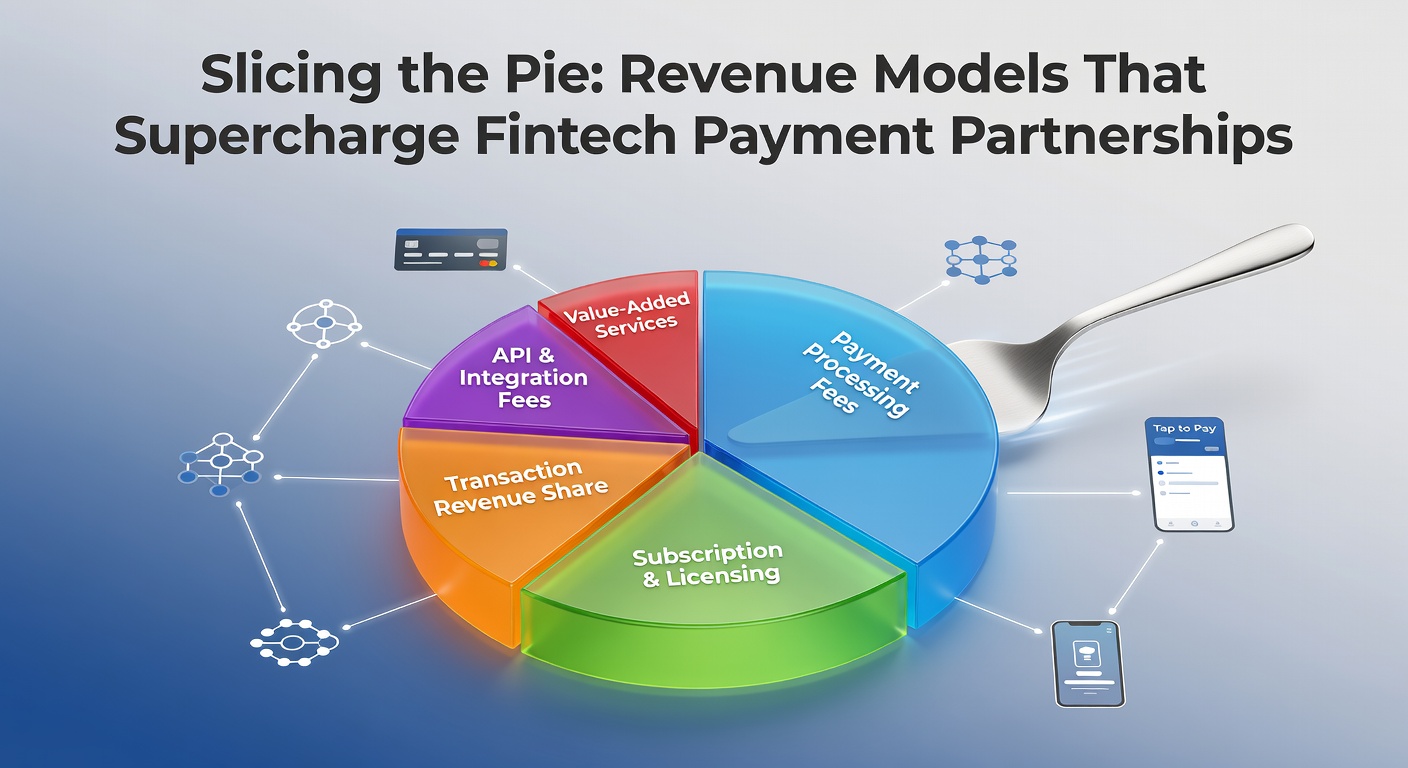
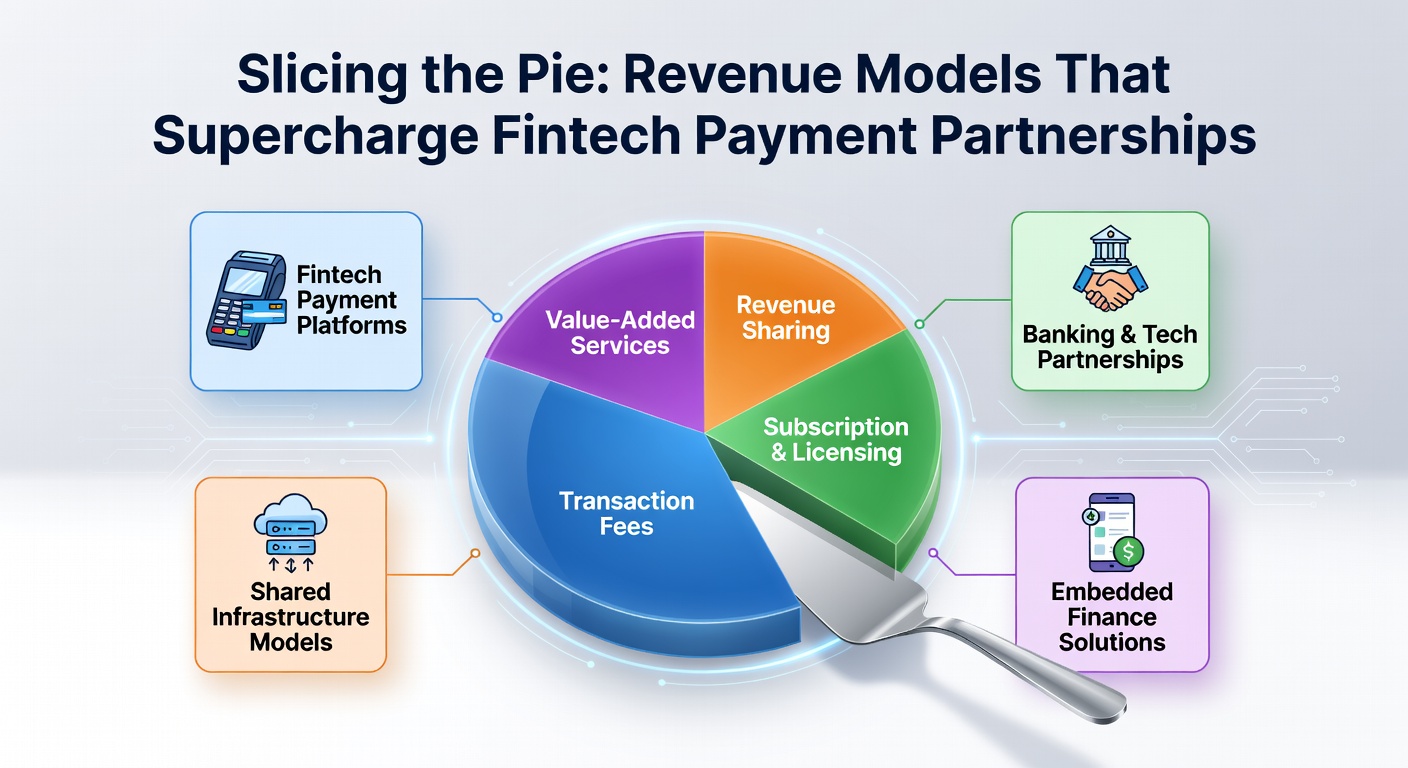
At the heart of these alliances sit revenue models, structures that dictate how profits get divvied up, incentivizing collaboration while ensuring sustainability for all involved; without smart slicing of the pie, partnerships fizzle out fast, leaving innovators scrambling for scraps.
Turns out, the most successful fintech payment tie-ups leverage hybrid approaches, blending fixed fees with performance-based shares, and observers note how these models have fueled a 25% year-over-year increase in cross-border payment volumes according to recent industry benchmarks.
Transaction-Based Fees: The Tried-and-True Workhorse
Transaction fees remain the cornerstone for many fintech payment partnerships, charging a small percentage or flat rate per processed payment, which scales effortlessly with volume; processors like Stripe and Adyen popularized this, passing on a slice to partners who bring in merchants or users.
But here's the thing: tiered pricing adds layers, where high-volume partners snag lower rates, say 1.5% versus 2.9% for newcomers, encouraging loyalty and upsell; research from Payments Canada indicates that such models boosted partnership retention by 30% in domestic ACH networks over the past two years.
Take one U.S.-based neobank that partnered with a regional processor; they split 0.2% of each debit transaction, resulting in $12 million shared revenue in 2025 alone, all because the model aligned incentives perfectly from day one.
Revenue Sharing: Aligning Long-Term Interests
Revenue sharing takes it further, where partners divvy up a percentage of net revenue from ongoing customer lifetime value, not just one-off transactions; this shines in subscription-heavy fintechs like buy-now-pay-later services, fostering sticky relationships that outlast economic dips.
Experts have observed how 60/40 splits—60% to the platform, 40% to the payment partner—dominate embedded finance deals, with data showing these arrangements yield 15-20% higher margins than pure fee models per a European Central Bank fintech report.
And while flat shares work for equals, dynamic models adjust based on performance metrics like conversion rates or churn, keeping everyone hustling; one Australian lender sliced the pie this way with its payment gateway ally, hitting $50 million in collective revenue by Q1 2026 through adaptive 55/45 splits tied to user acquisition.
Subscription and SaaS Hybrids: Predictable Cash Flow with Upside
Subscription models flip the script, charging partners monthly or annual fees for access to payment rails, APIs, or white-label tools, often bundled with transaction perks; this predictability appeals to fintechs scaling operations without volume roulette.
What's interesting is the hybrid twist, layering SaaS fees atop usage-based revenue, so partners pay $10,000 upfront yearly but earn back 70% through volume rebates; studies from Australian industry groups reveal that 45% of APAC fintech partnerships now incorporate this, driving steady 18% annual growth in partnership ecosystems.
People who've studied this note a Canadian case where a payroll fintech subscribed to a global processor's suite, unlocking fraud detection add-ons; the result? A 40% dip in chargebacks alongside $8 million in shared subscription rebates over 18 months.
White-Label and Affiliate Models: Expanding Reach Without Heavy Lifting
White-label arrangements let fintechs rebrand payment solutions as their own, sharing revenue from branded merchant acquisitions; affiliates kick in commissions for referrals, often 20-30% of first-year revenue, turbocharging distribution without building from scratch.
These models supercharge growth in emerging markets, where local compliance hurdles make partnerships essential; figures from the Reserve Bank of Australia highlight how white-label payment stacks contributed to a 35% surge in SME digital adoption between 2024 and 2026.
So, consider an EU neobank that white-labeled an Asian processor's gateway; they split 25% of all card-not-present transactions, amassing €22 million by early 2026, all while the partner gained foothold in regulated territories.
Real-World Case Studies: Lessons from the Trenches
One standout involves Plaid and its banking API partners; they employ a revenue-share-plus-fee model, where banks earn 15% of Plaid's SaaS revenue from shared connections, leading to over $100 million distributed since 2020 per public filings.
Yet another example comes from Affirm's buy-now-pay-later ecosystem, slicing merchant fees 50/50 with payment processors; this propelled their partnerships to process $25 billion in GMV last year, with shares scaling dynamically based on approval rates.
And in April 2026, as regulators in multiple regions greenlight open banking 2.0, observers expect a wave of hybrid models; early adopters like a Scandinavian fintech reported 28% partnership revenue uplift from predictive sharing algorithms that adjust splits in real-time based on transaction data.
Challenges in Slicing the Pie Fairly
- Transparency gaps lead to disputes, with 22% of partnerships dissolving over unclear attribution per industry surveys.
- Regulatory shifts, like PSD3 in Europe, demand model tweaks for data portability, complicating shares.
- Volume risks hit smaller players hard unless floors or guarantees pad the deal.
That said, tech like blockchain ledgers is emerging to automate splits, ensuring trust; researchers predict this will cut admin costs by 40% in cross-border setups by 2027.
Future Trends Shaping 2026 and Beyond
Looking ahead, AI-driven dynamic pricing will redefine shares, predicting partner value and auto-adjusting percentages; in April 2026 specifically, the U.S. Consumer Financial Protection Bureau's updated guidelines on payment partnerships emphasize equitable models, spurring innovations like outcome-based revenue where shares tie directly to customer satisfaction scores.
Embedded insurance bundles are rising too, tacking on 5-10% ancillary revenue shares; data indicates these could add $15 billion globally to fintech partnership pools by year's end.
Now, crypto and stablecoin integrations layer volatility hedges into traditional splits, with pilots showing 12% efficiency gains for international remittances.
Conclusion
Revenue models stand as the glue holding fintech payment partnerships together, from straightforward transaction cuts to sophisticated hybrids that reward collaboration and scale; as volumes hit new highs—projected at $10 trillion in real-time payments by 2028 per global forecasts—those who master the art of slicing the pie will dominate.
Partnerships evolve fast, but the data's clear: flexible, transparent structures win out, turning potential rivals into revenue engines; experts agree, the ball's in the court of innovators ready to adapt.