The Ripple Effect of Pricing Structures on Affiliate Networks in Secure Cross-Border Transaction Platforms
Kai Coleman · Jun 7, 2026
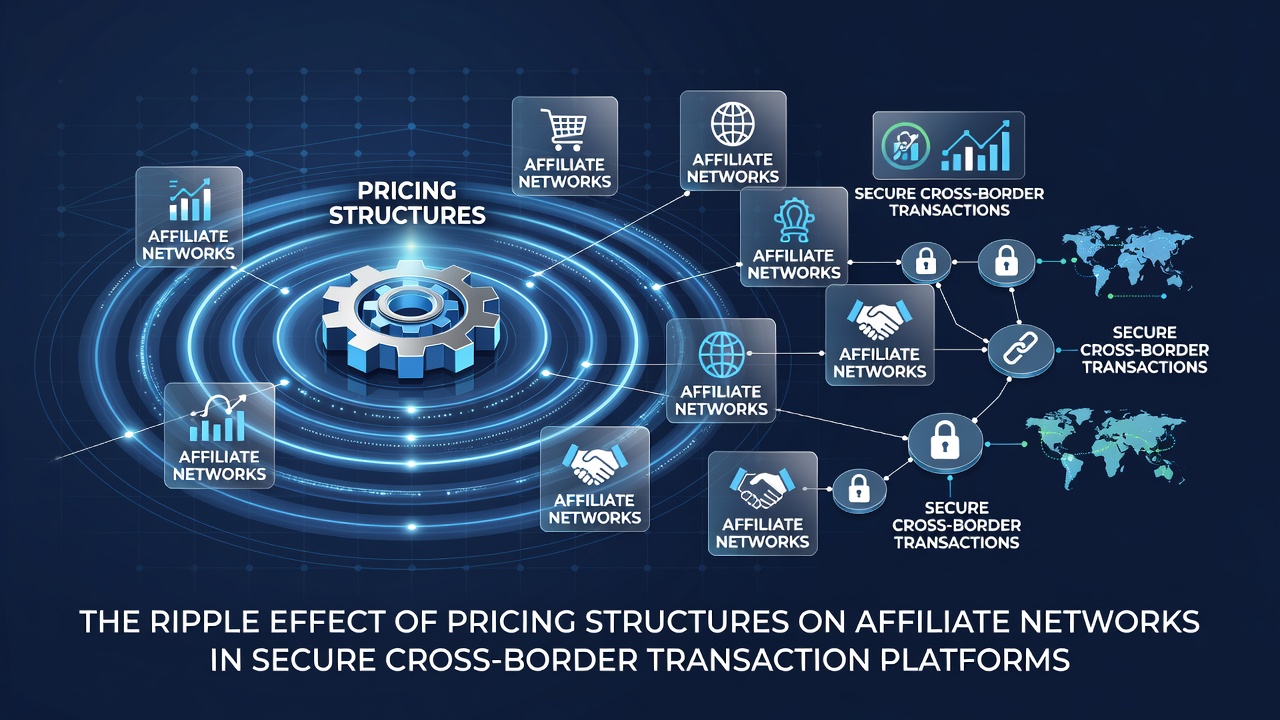
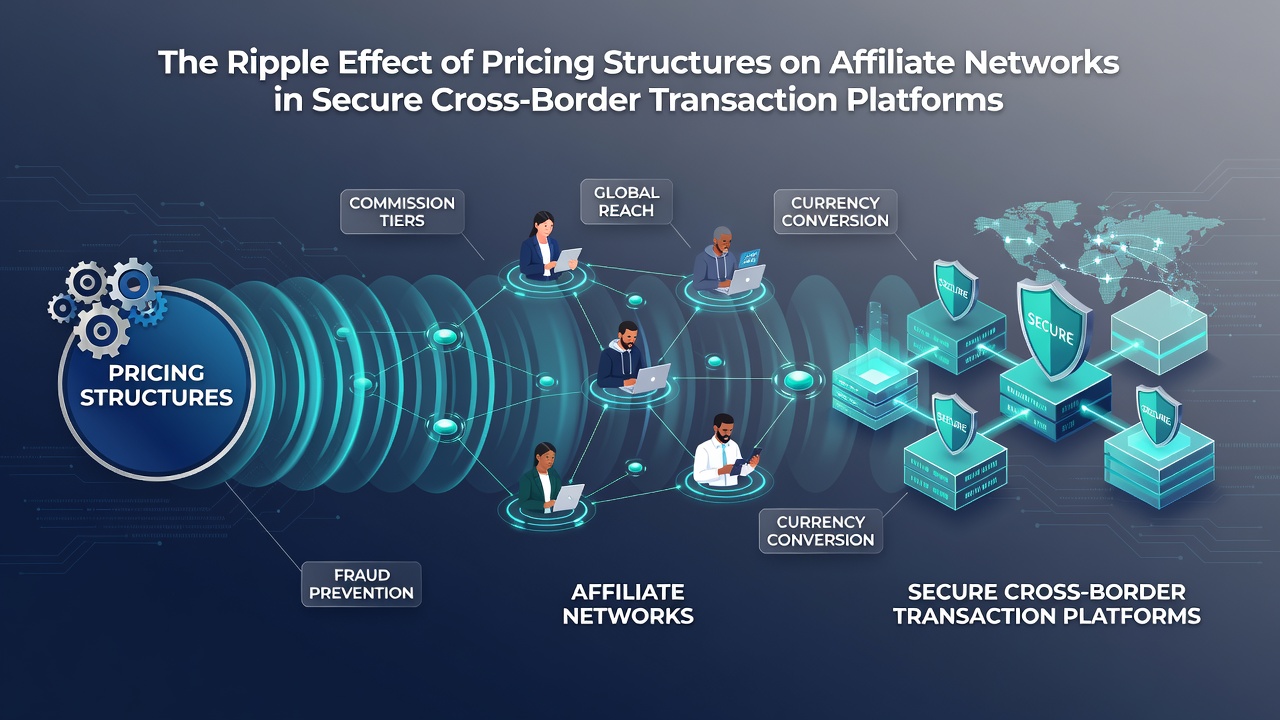
The Ripple Effect of Pricing Structures on Affiliate Networks in Secure Cross-Border Transaction Platforms
Secure cross-border transaction platforms rely on affiliate networks to expand merchant reach and process international payments efficiently, yet the pricing structures these platforms adopt create direct and indirect effects throughout those networks. Flat fees, percentage-based commissions, tiered models, and hybrid arrangements each influence how affiliates earn revenue, manage compliance costs, and sustain partnerships across borders.
Data from global payment systems shows that percentage-based pricing often ties affiliate payouts directly to transaction volume, which means fluctuations in currency exchange rates or regional demand alter earnings without warning. Tiered structures, by contrast, reward higher volumes with improved rates, encouraging affiliates to concentrate efforts on high-value corridors while smaller merchants receive less attention.
How Different Pricing Models Shape Affiliate Revenue Flows
Flat-fee models deliver predictable income for affiliates regardless of transaction size, yet they can reduce incentives for promoting smaller merchants whose payments contribute little to overall margins. Percentage structures scale earnings with growth, but they expose networks to volatility when cross-border volumes dip due to regulatory shifts or economic conditions. Hybrid approaches combine elements of both and appear in platforms that balance stability with performance rewards, according to analyses from the Monetary Authority of Singapore.
Observers note that affiliates operating in multiple jurisdictions must factor local tax rules and settlement delays into their calculations, since pricing structures rarely adjust automatically for these variables. A merchant processing payments from Europe to Southeast Asia might generate different net returns for an affiliate than one focused solely on intra-European flows, even under identical fee schedules.
Compliance Costs and Their Interaction with Pricing
Secure platforms embed verification steps, encryption standards, and audit requirements that add operational expenses for affiliates. When pricing structures allocate these costs through reduced commission rates, affiliates in regions with stricter rules experience sharper margin compression. Research from the Bank for International Settlements indicates that cross-border platforms handling transactions above certain thresholds often pass portions of compliance overhead directly to network participants through adjusted payout formulas.
As of June 2026, updated reporting requirements in several markets have prompted platforms to revise how they calculate affiliate shares, particularly where enhanced due diligence applies to high-risk corridors. Affiliates report that these revisions sometimes appear as lower effective rates rather than explicit new fees, which makes forecasting more complex.
Network Growth Patterns Under Varying Price Regimes
Platforms using aggressive tiered pricing tend to see faster expansion in affiliate numbers during periods of rising transaction volumes, since top performers receive outsized rewards. However, this concentration can leave gaps in coverage for merchants in emerging markets where volumes remain modest. Flat-fee environments, meanwhile, support steadier but slower network growth because the absence of volume multipliers reduces the urgency to scale quickly.
Evidence from payment industry reports reveals that affiliates frequently diversify across multiple platforms precisely to offset the limitations of any single pricing structure. This diversification spreads risk yet increases the administrative burden of tracking different payout schedules, settlement timelines, and compliance documentation.
Regional Variations in Pricing Impact
Markets with strong currency controls or capital flow restrictions experience amplified effects from pricing decisions, since affiliates must navigate additional conversion costs before receiving earnings. Platforms serving these regions sometimes introduce localized fee adjustments that ripple outward to connected networks in neighboring countries. Researchers tracking these patterns find that small changes in one corridor can shift affiliate priorities toward more favorable jurisdictions within months.
Take one network that adjusted its hybrid pricing in early 2025: affiliates in Latin America redirected promotional resources toward Asian merchants after the new structure favored higher-value, lower-compliance transactions. Similar reallocations occur regularly as platforms respond to regulatory updates and competitive pressures.
Conclusion
Pricing structures in secure cross-border transaction platforms determine more than simple commission rates; they shape affiliate behavior, influence geographic coverage, and interact with compliance requirements in measurable ways. Networks that understand these connections can adapt their strategies to maintain participation across diverse markets. Continued monitoring of regulatory changes and volume trends will remain essential for platforms and affiliates alike as transaction ecosystems evolve.