Tracing Linkages in Transaction Networks: Certification's Role in Shaping Profit Divisions Across Worldwide Affiliate Gateways
Ines Otto · Jun 3, 2026
Tracing Linkages in Transaction Networks: Certification's Role in Shaping Profit Divisions Across Worldwide Affiliate Gateways
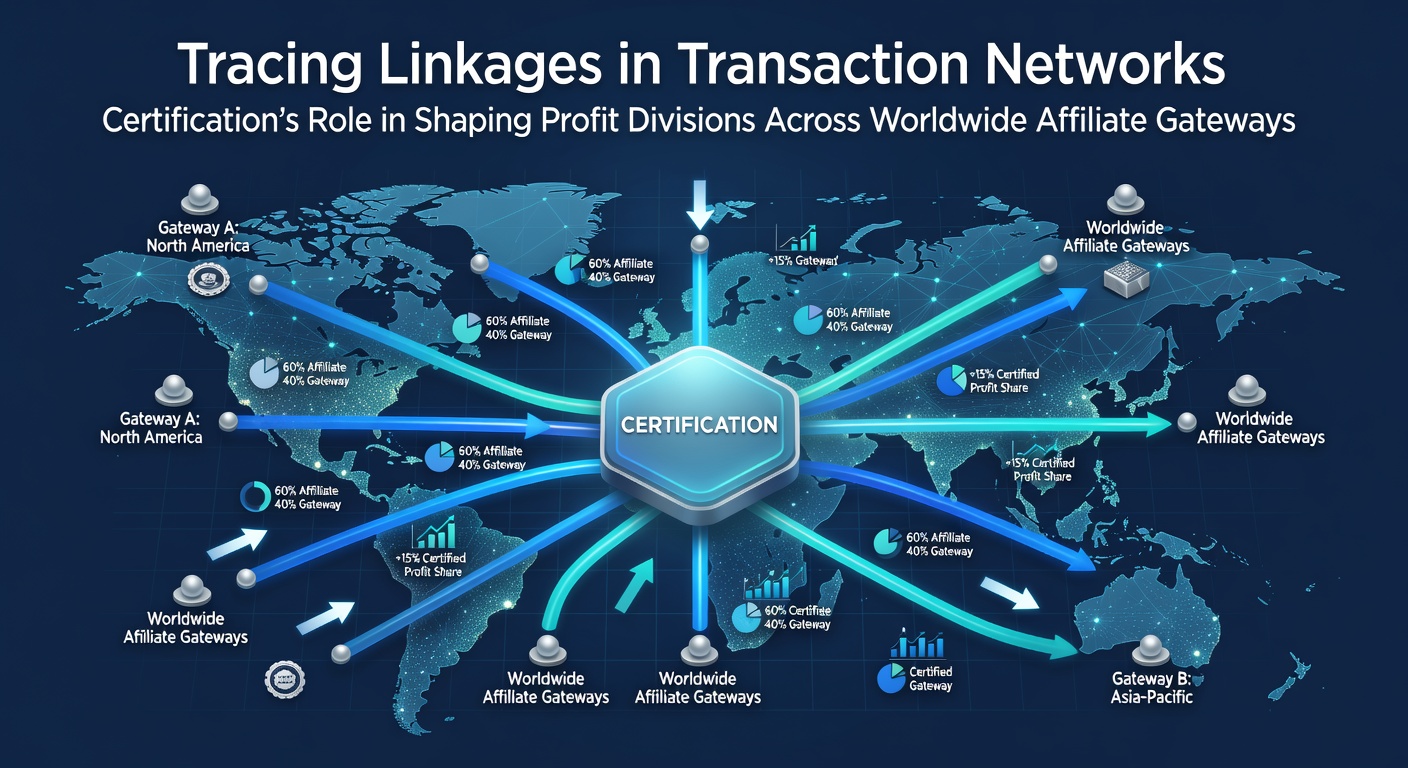
Transaction networks operate as intricate webs where data flows connect merchants, processors, and affiliates across multiple jurisdictions, and certification mechanisms serve as the primary tools for mapping these connections while determining how revenues get allocated at each gateway point.
Mapping Network Connections Through Certification Standards
Certification protocols establish verifiable pathways that link individual transactions back to their originating sources, allowing network operators to identify every participant in a given chain; researchers at institutions like the Bank for International Settlements have documented how these standards create traceable records that extend from local merchant terminals to regional processing hubs and onward to international settlement systems. Observers note that without standardized certification, profit calculations often rely on incomplete data sets, whereas certified linkages provide the granular details needed for accurate division of fees and commissions.
Global affiliate gateways function as entry and exit points where funds move between entities, and certification verifies compliance with security and operational benchmarks at each stage; this verification process directly influences which parties receive what share of the total transaction value because only certified participants qualify for full revenue participation under many contractual frameworks.
How Certifications Influence Revenue Allocation Models
Profit divisions in these networks follow formulas that incorporate certification levels as weighting factors, so entities holding higher-tier certifications receive larger portions of processing fees while lower-tier participants see reduced allocations; data from cross-border payment studies indicate that certification upgrades have shifted revenue shares by measurable percentages in documented cases across European and Asian markets. Those who've examined settlement reports find that certification acts as both a gatekeeper and a multiplier, determining eligibility and scaling the size of each affiliate's cut based on demonstrated adherence to technical requirements.
Regulatory bodies such as the European Banking Authority track how certification requirements evolve, and updates implemented before June 2026 refined the criteria for validating linkage integrity across affiliate channels. These refinements clarified documentation standards for multi-hop transactions, which in turn affected how profit pools get divided when funds pass through several certified gateways before final settlement.
Regional Variations in Certification Impact
North American networks tend to emphasize certification tied to data security benchmarks, which shapes profit divisions by rewarding affiliates that maintain continuous audit trails; meanwhile, systems operating under frameworks from the Australian Securities and Investments Commission apply certification rules that focus more on transaction transparency, leading to different allocation patterns where visibility metrics carry heavier weight in revenue formulas. Experts tracking these differences point out that the same transaction might yield varying affiliate payouts depending on which certification regime governs the primary gateway.
Certification also creates barriers and incentives that steer how new participants enter worldwide networks, because meeting the linkage documentation standards requires investment in systems that smaller affiliates may struggle to fund; once certified, however, those entities gain access to revenue streams previously reserved for larger players, altering the overall distribution of earnings across the network.
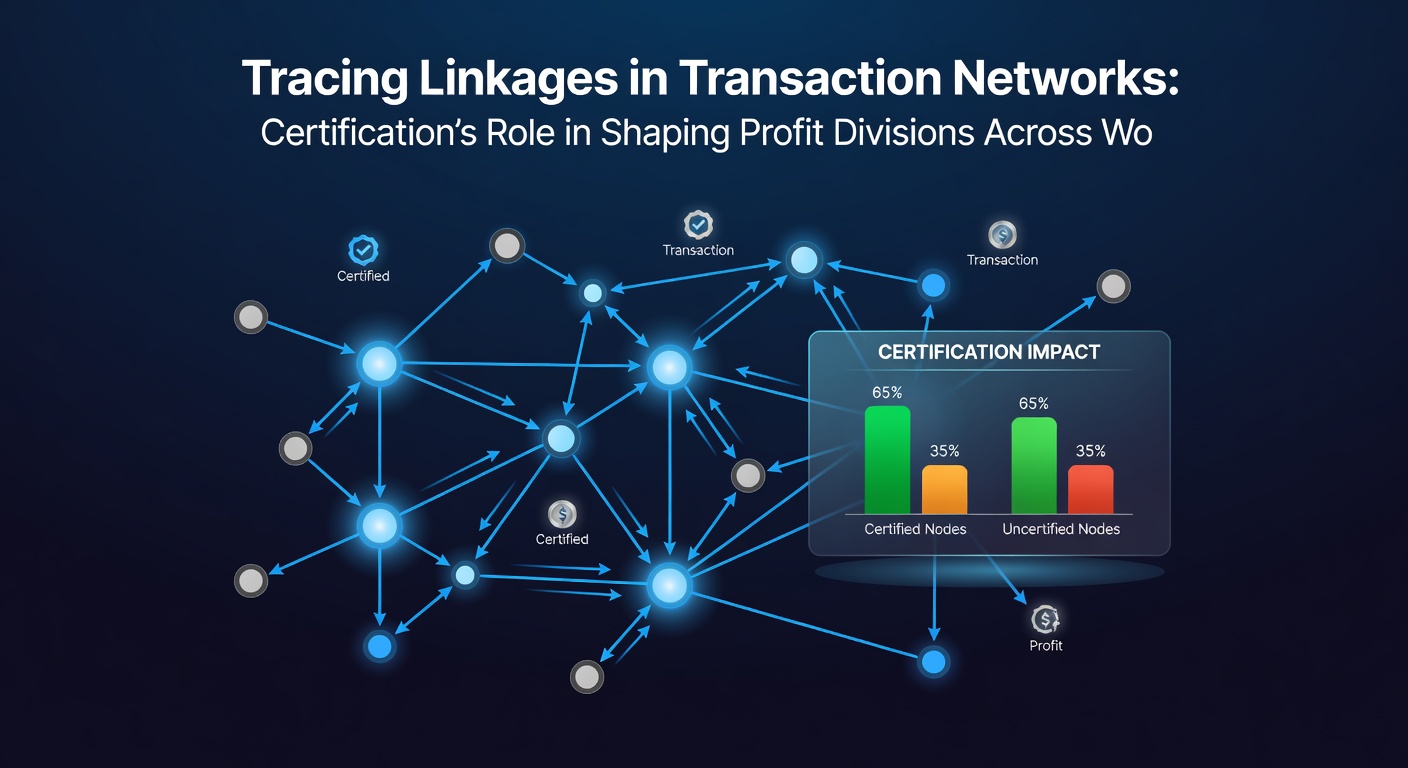
Studies from academic sources including work published through the OECD have examined cases where certification lapses caused temporary exclusion from profit-sharing arrangements, forcing affiliates to reroute transactions through compliant partners and accept reduced margins during the interim period. Such incidents reveal the direct financial consequences when linkage verification fails at critical network nodes.
Future Developments in Certification and Network Tracing
Emerging technologies continue to enhance the precision of linkage tracing within transaction networks, and certification bodies are incorporating these tools into updated standards that will further refine how profits get divided; as these changes roll out, affiliates must adapt their operational setups to maintain eligibility for existing revenue shares. Reports issued around June 2026 highlighted pilot programs testing real-time certification validation, which could compress settlement cycles and alter the timing of profit distributions across global gateways.
Industry organizations continue to publish guidelines that help participants navigate the intersection of certification requirements adn revenue models, providing frameworks that clarify how verified linkages translate into specific payout percentages. Those guidelines draw on aggregated data from multiple regions to illustrate patterns in how certification status correlates with earnings outcomes.
Conclusion
Certification functions as the connective tissue that both maps transaction linkages and determines profit divisions throughout worldwide affiliate gateways, creating structured pathways where verified compliance directly shapes financial outcomes for every participant. As networks expand and standards evolve, the role of these mechanisms in maintaining accurate, traceable revenue allocation remains central to the operation of global transaction systems.