Tracing Validation Chains: How Security Audits Steer Profit Splits Among Cross-Border Merchant Networks
Ines Otto · May 29, 2026
Tracing Validation Chains: How Security Audits Steer Profit Splits Among Cross-Border Merchant Networks
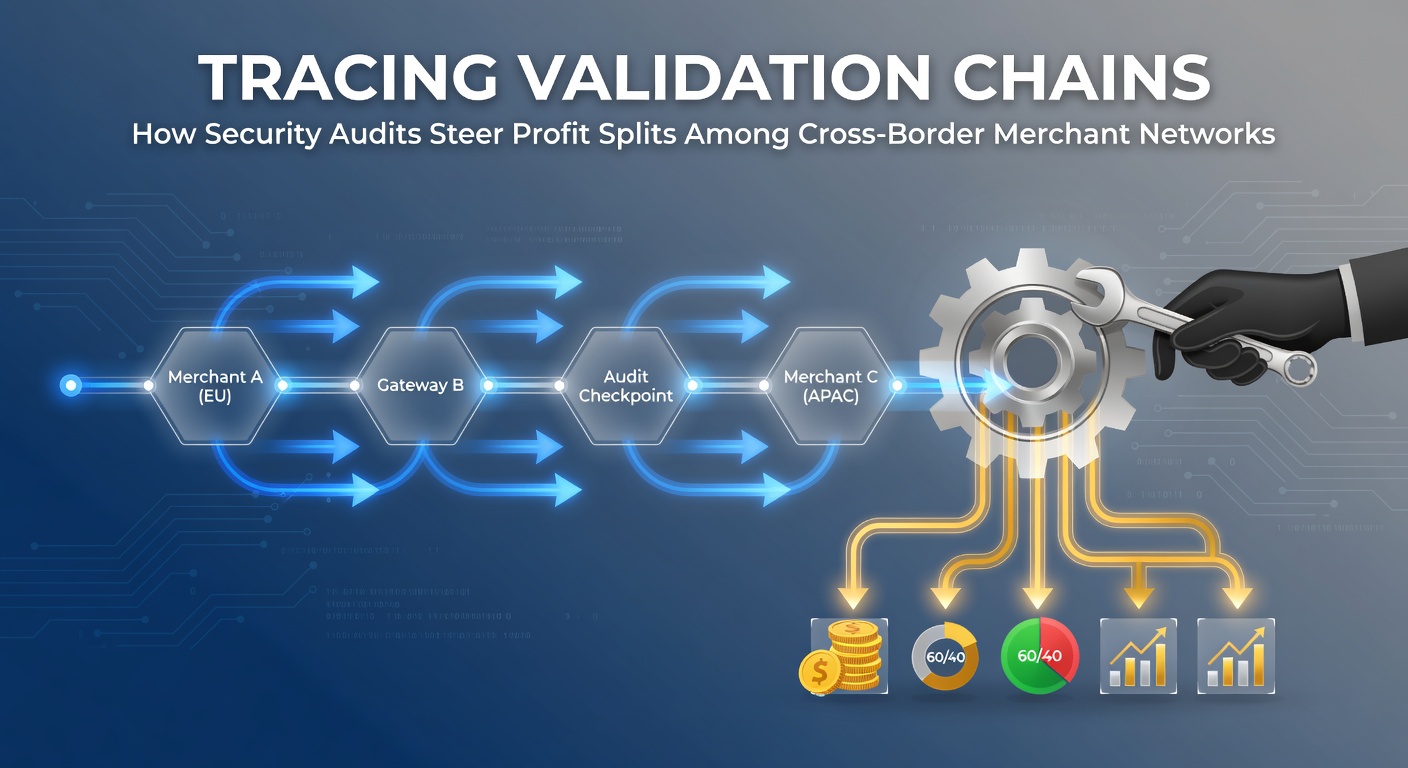
Validation chains form the backbone of transaction verification across international merchant networks, where each link confirms data integrity before funds move from one jurisdiction to another. Security audits examine these chains at multiple stages, checking encryption standards, access controls, and compliance with regional payment rules. The outcomes of such audits directly influence how revenue gets divided among participating banks, processors, and merchants because partners adjust their shares based on demonstrated risk levels and verification reliability.
Core Components of Validation Chains in Global Networks
Each validation chain consists of sequential checks that start at the point of sale and continue through settlement, incorporating elements like tokenization, digital signatures, and real-time fraud scoring. Processors record every step in immutable logs that auditors later review, creating a traceable record that reveals where delays or discrepancies occurred. When audits identify weak points, such as outdated authentication protocols, the affected parties often renegotiate their portions of the profit pool to reflect the added operational costs of remediation.
Cross-border setups add layers of complexity because different countries impose varying requirements for data residency and reporting frequency, forcing networks to maintain parallel validation paths that satisfy all involved regulators simultaneously. Observers note that merchants operating in multiple regions must align their internal systems with the strictest standards in the chain, which can shift profit allocations toward entities that already possess certified infrastructure.
How Security Audits Shape Revenue Distribution
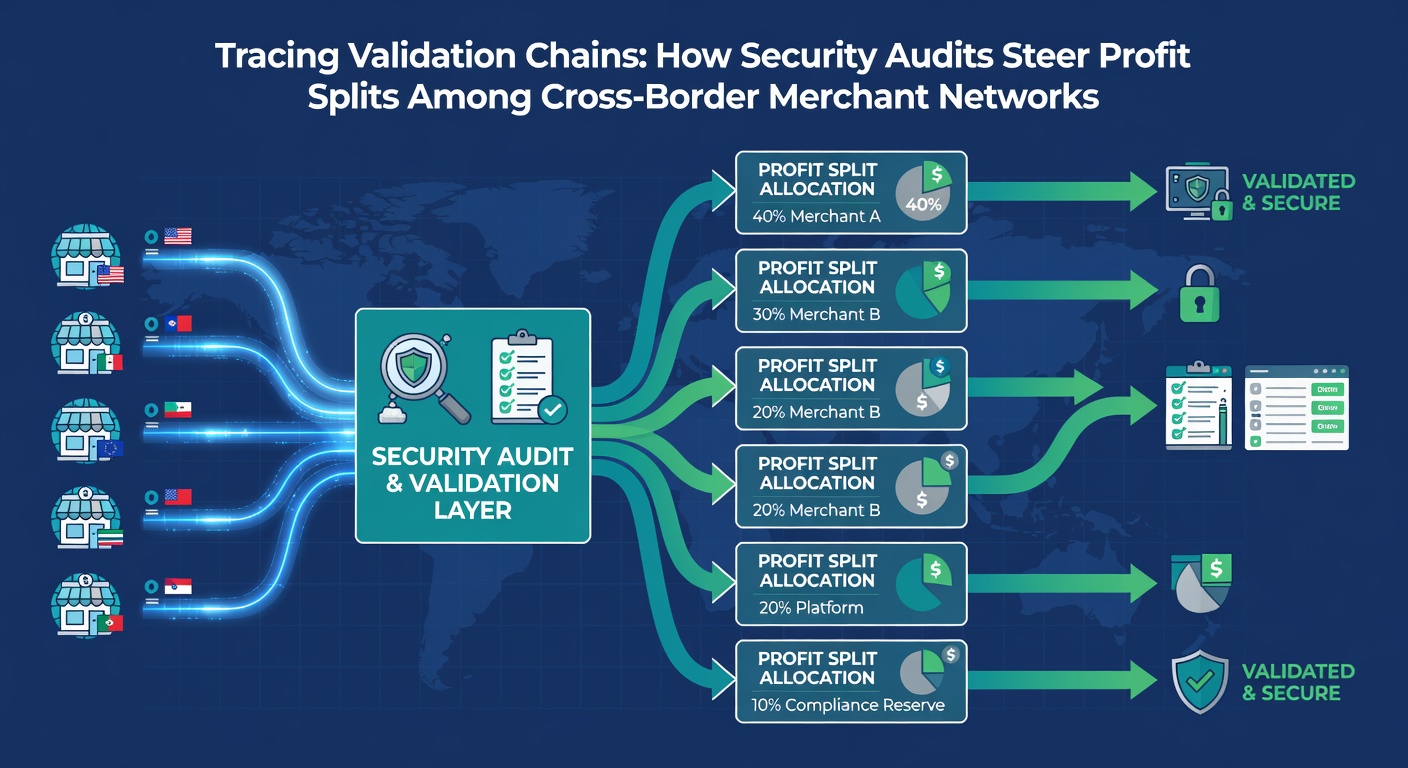
Security audits evaluate the entire validation sequence against benchmarks set by international bodies and local authorities, producing scores that determine eligibility for premium transaction tiers. Higher scores translate into larger shares of processing fees because networks prioritize partners whose chains demonstrate consistent accuracy and lower dispute rates. Data from industry reports indicates that entities passing comprehensive audits in 2025 saw their revenue participation increase by measurable margins compared with those requiring follow-up reviews.
Adjustments occur through contractual clauses that tie compensation directly to audit findings, allowing networks to withhold portions of fees until deficiencies receive correction. This mechanism ensures that profit splits reflect actual security performance rather than fixed percentages established at the partnership's outset. Researchers have observed that repeated high marks in successive audits can lead to long-term increases in a partner's cut, while persistent issues prompt gradual reductions until standards improve.
Regional Variations and Regulatory Influences
European frameworks emphasize continuous monitoring within validation chains, requiring audits at least annually plus ad-hoc reviews after any significant system change. In contrast, frameworks in the Asia-Pacific region often focus on transaction-volume thresholds that trigger deeper examinations, creating different cost structures that affect how profits flow back to merchants. A European Central Bank overview of payment systems details these distinctions and shows how they influence cross-border fee arrangements.
North American regulators apply risk-based approaches that tie audit frequency to historical incident data, meaning networks with cleaner records face lighter scrutiny and retain more of their earnings. When chains span multiple regions, the most demanding standard typically governs the overall allocation model, pushing participants to invest in upgrades that eventually recalibrate profit shares in their favor.
Practical Effects on Merchant Operations
Merchants experience these dynamics through changes in settlement timelines and fee schedules that appear after each audit cycle concludes. Those whose validation processes receive top ratings often secure faster access to funds and reduced reserve requirements, freeing capital that would otherwise sit idle during extended verification periods. Networks use the resulting savings to expand their participation in additional corridors, which further alters how total revenue gets divided among the expanded group of partners.
Case examples from 2025 demonstrate that a single failed audit checkpoint in a multi-country chain prompted a 12 percent shift in fee distribution toward the entities that maintained redundant validation paths. Such reallocations occur without disrupting service because contracts already embed the necessary formulas that convert audit results into adjusted percentages.
Developments Expected by May 2026
Upcoming updates to global payment messaging standards scheduled for implementation around May 2026 will introduce new data fields within validation chains that track audit status in real time. These fields will allow networks to automate portions of the profit-split calculation based on live compliance data rather than periodic manual reviews. Industry analyses project that early adopters who integrate the new fields ahead of the deadline will capture larger initial shares until competitors complete their own upgrades.
Training programs for audit teams are expanding to cover these forthcoming requirements, with certification bodies in multiple regions already publishing guidelines that outline the additional checks merchants must incorporate. The resulting documentation will feed directly into existing allocation models, ensuring that profit divisions continue to mirror the security posture of each validation chain segment.
Conclusion
Validation chains and security audits together create a feedback loop that continuously refines profit splits across cross-border merchant networks. As regulatory expectations evolve and technology advances, the mechanisms that link verification performance to revenue participation will grow more precise, rewarding entities that maintain robust, auditable processes while adjusting allocations for those still closing gaps. This system keeps international payment flows aligned with verifiable security outcomes rather than static agreements.